English
 عربى
 русский
Contact Us

Wenzhou Dicheng Fluid Equipment Co., Ltd. specializes in the design, production, and sales of high-precision sanitary pipe fittings, valves, and fluid equipment. Our products are widely used in the dairy, food, beer, beverage, pharmaceutical, cosmetic, and fine chemical industries. We are a leading domestic manufacturer of sanitary fluid equipment.
Author: Dicheng
Date: Nov 06, 2026
Are Your Sanitary Fittings Designed for Easier Cleaning and Maintenance?
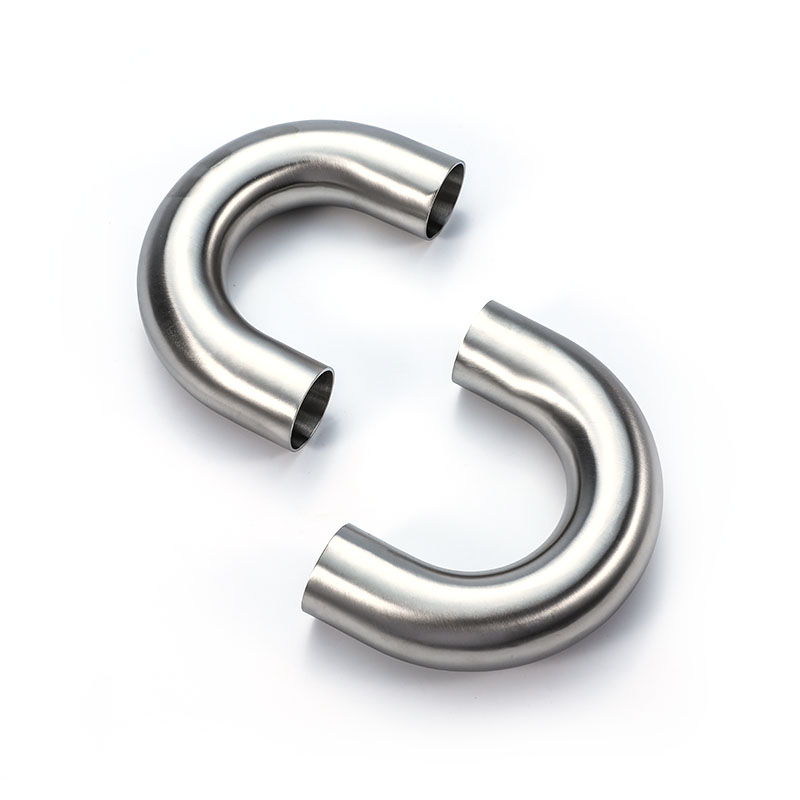
In food processing, beverage production, dairy manufacturing, and pharmaceutical facilities, hygienic performance depends on more than the equipment that comes into direct contact with a product. Every connection in a processing line can influence cleaning efficiency, maintenance requirements, and the risk of product contamination. This is why buyers evaluating a DIN Sanitary Fittings Manufacturer should look beyond dimensions and material descriptions. They also need to consider how fittings integrate into the pipeline, whether their design supports hygienic cleaning, and how easily components can be inspected or replaced during routine maintenance.
Connection Design Can Affect Cleaning Results
A sanitary pipeline may contain valves, pumps, tanks, hoses, and multiple connecting components. If the connections are poorly matched or incorrectly installed, gaps and unsuitable transitions may create areas that are difficult to clean.
For engineers, the first step is to check whether the fitting geometry matches the pipeline design and the intended cleaning procedure. Connection dimensions, sealing arrangements, and internal transitions should be considered together rather than treated as separate purchasing details.
A well-matched sanitary fitting helps maintain a consistent connection between processing components and supports the overall hygienic design of the system.
Material Selection Should Match the Processing Environment
Stainless steel is widely used in sanitary processing equipment, but buyers should not assume that every stainless steel grade is suitable for every application. Product characteristics, cleaning chemicals, operating temperatures, and process conditions all influence material selection.
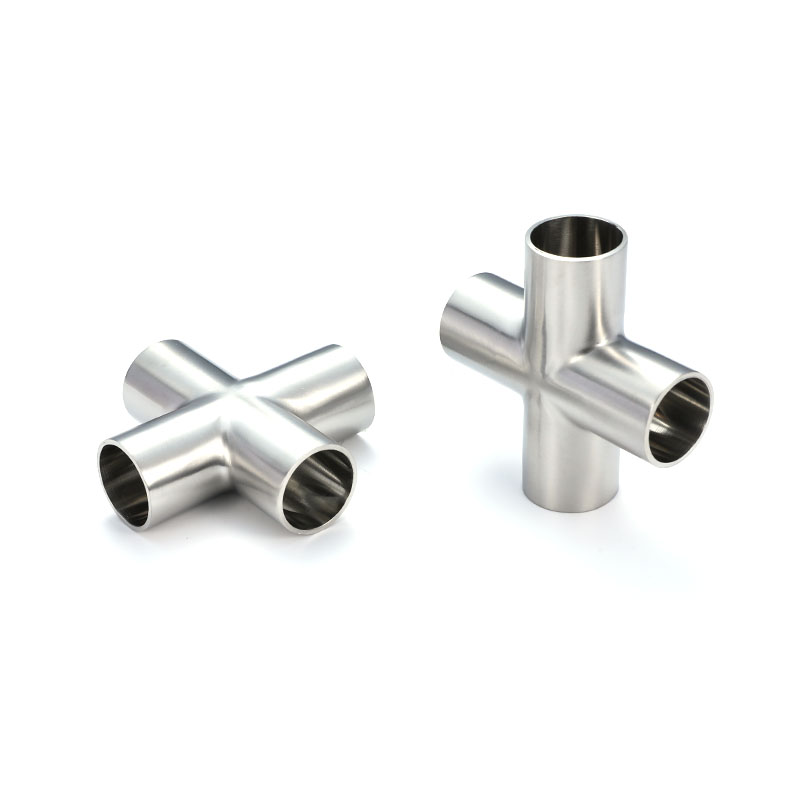
When specifying DIN sanitary pipe fittings, procurement teams should clarify:
- The stainless steel grade required for the application
- The type of product passing through the pipeline
- Exposure to cleaning agents and sanitizing chemicals
- Operating temperature and pressure conditions
- Applicable material documentation and inspection requirements
For example, a fitting used in a beverage production line may face different operating and cleaning conditions from one installed in a pharmaceutical processing system. Material selection should therefore be based on the actual service environment.
Surface Finish Deserves Attention
Surface finish is an important consideration in hygienic equipment design because rough or damaged contact surfaces can make cleaning more difficult. However, buyers should distinguish between a general polished appearance and a specified surface finish suitable for their process requirements.
During supplier evaluation, it is useful to ask how internal and external surfaces are processed, what finish options are available, and whether inspection records can be provided when required.
Manufacturers should also pay attention to consistency between production batches. Surface condition, dimensional accuracy, and finishing quality all contribute to whether fittings can be integrated into a sanitary pipeline as intended.
Seal Compatibility Helps Prevent Connection Problems
Gaskets and sealing components play an important role in sanitary connections. Even when a fitting has the correct nominal dimensions, an unsuitable gasket may lead to leakage, installation difficulties, or premature replacement.
Buyers should confirm the gasket material, dimensional compatibility, and suitability for the product and cleaning environment. They should also consider whether replacement seals can be sourced conveniently for future maintenance.
From a manufacturing perspective, fittings and their corresponding sealing components should be evaluated as a complete connection system. This helps reduce compatibility issues when customers assemble or expand processing lines.
Installation and Inspection Should Be Practical
Sanitary fittings are often installed in areas where maintenance access is limited. A connection that is difficult to assemble or inspect can increase maintenance work, especially in processing facilities with frequent cleaning schedules.
Engineers should review the available installation space, connection orientation, accessibility of fasteners, and ease of component removal. Proper alignment and installation procedures are equally important because incorrect assembly may compromise the intended sealing performance.
Clear product drawings and dimensional information can help equipment designers identify potential installation problems before the pipeline is assembled.
Documentation Matters for International Procurement
Overseas buyers often need more than a product quotation when sourcing sanitary fittings. They may also require technical drawings, material information, dimensional specifications, and relevant quality documents to support supplier approval and incoming inspection.
A structured documentation process makes it easier for purchasing teams, engineers, and quality departments to review the same product requirements. Buyers should confirm which documents are available and whether special inspection or traceability requirements can be discussed before production.
This is particularly useful for distributors and equipment manufacturers managing repeat orders across different projects.
Choose a Manufacturer That Understands the Complete Connection
Selecting sanitary fittings involves balancing hygienic design, material suitability, dimensional compatibility, sealing performance, and maintenance considerations. As a DIN Sanitary Fittings Manufacturer, we believe that understanding the customer's processing environment is an essential part of product selection and manufacturing communication. By discussing pipeline standards, connection dimensions, operating conditions, and documentation requirements before ordering, overseas buyers can identify more suitable DIN sanitary fittings for their applications and build processing systems that are easier to inspect, maintain, and manage.
Featured Bearings