English
 عربى
 русский
Contact Us

Wenzhou Dicheng Fluid Equipment Co., Ltd. specializes in the design, production, and sales of high-precision sanitary pipe fittings, valves, and fluid equipment. Our products are widely used in the dairy, food, beer, beverage, pharmaceutical, cosmetic, and fine chemical industries. We are a leading domestic manufacturer of sanitary fluid equipment.
Author: Dicheng
Date: Oct 30, 2026
Where Can Better Sanitary Fitting Design Simplify Cleaning and Maintenance?
In food production, beverage processing, and other hygiene-sensitive environments, piping components must support more than fluid transfer. Their geometry, connection arrangement, and surface condition can influence how easily a system is cleaned, inspected, and maintained. For equipment manufacturers and wholesale buyers, selecting suitable fittings early can help reduce installation complications and make routine maintenance easier to organize. The challenge is to balance hygienic design requirements with practical access, operating conditions, and the technical specifications of the complete piping system.
Examine the Shape of Each Fitting
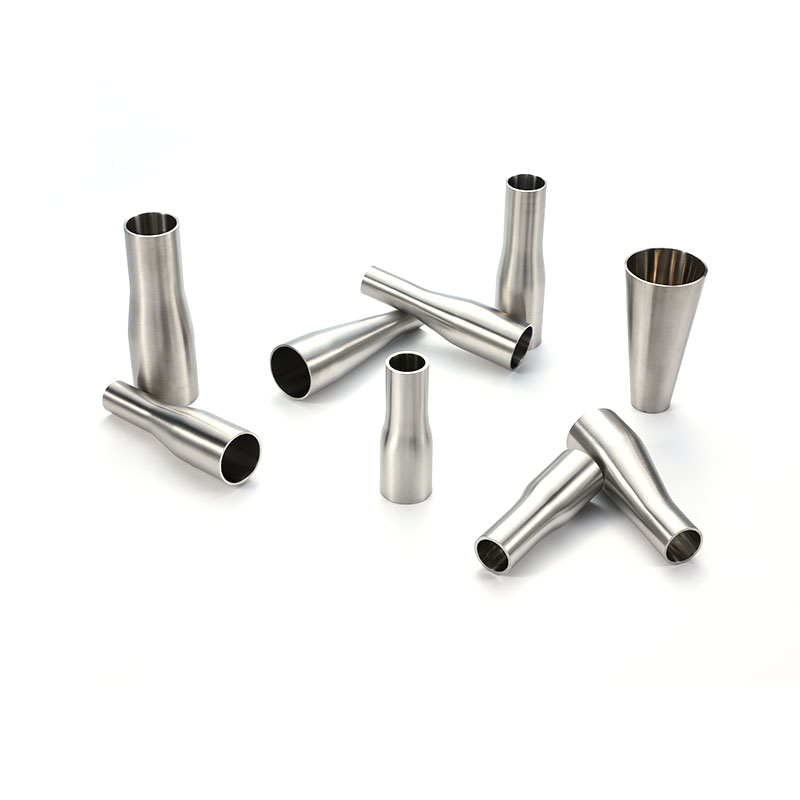
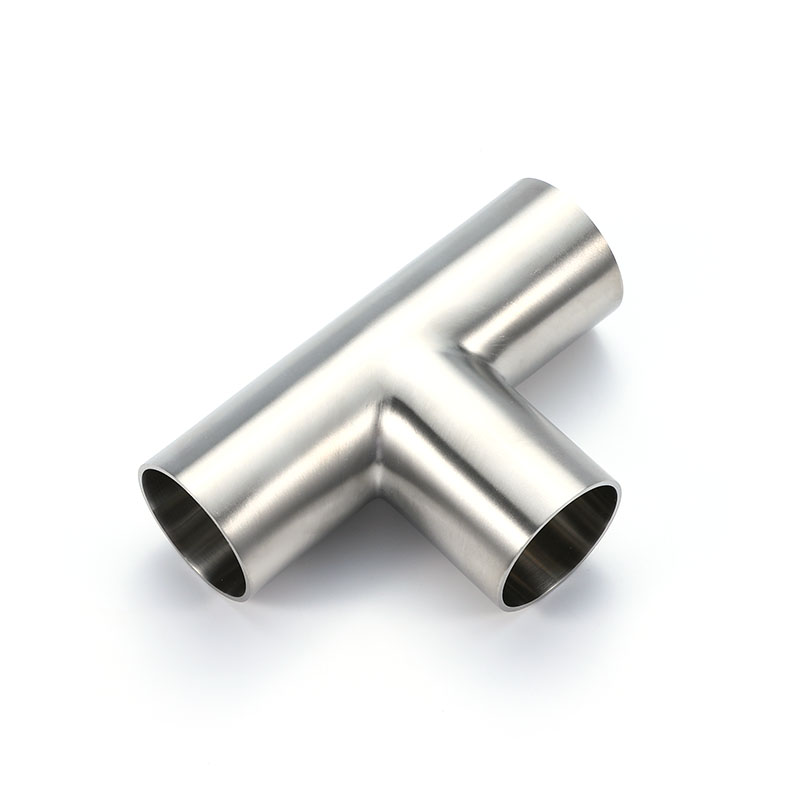
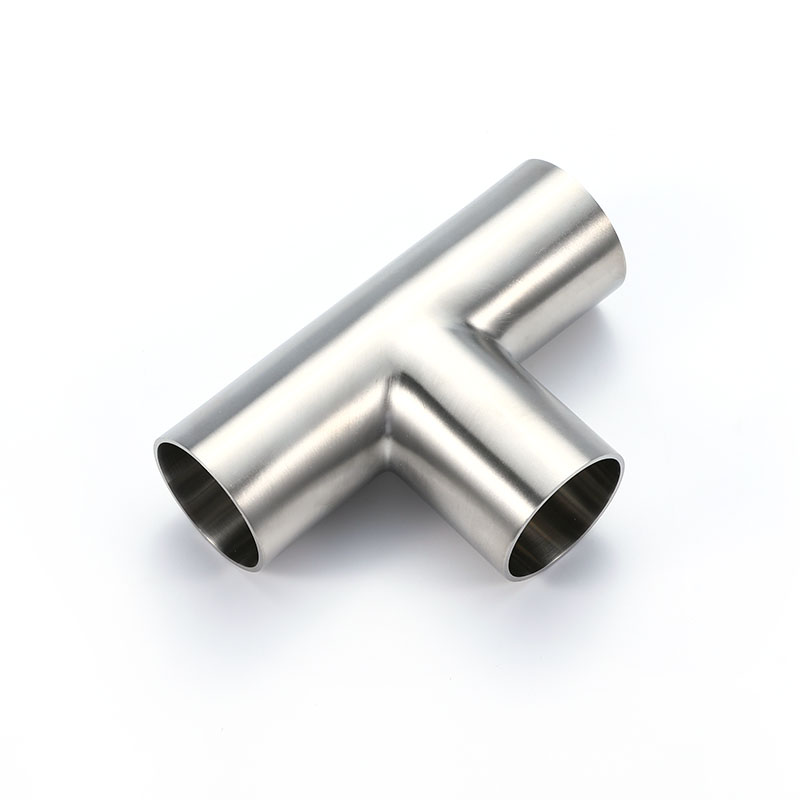
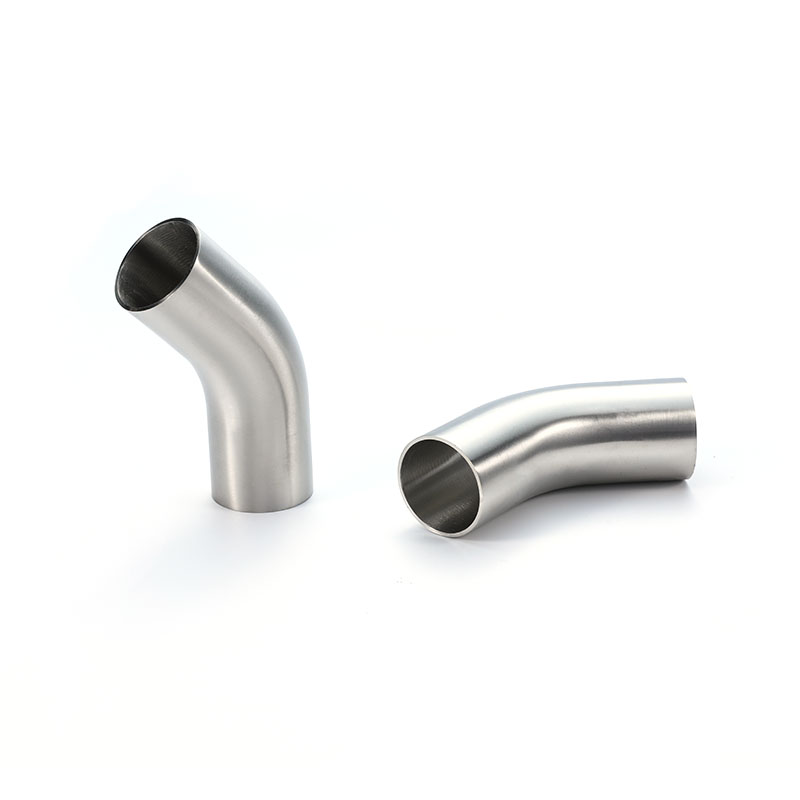
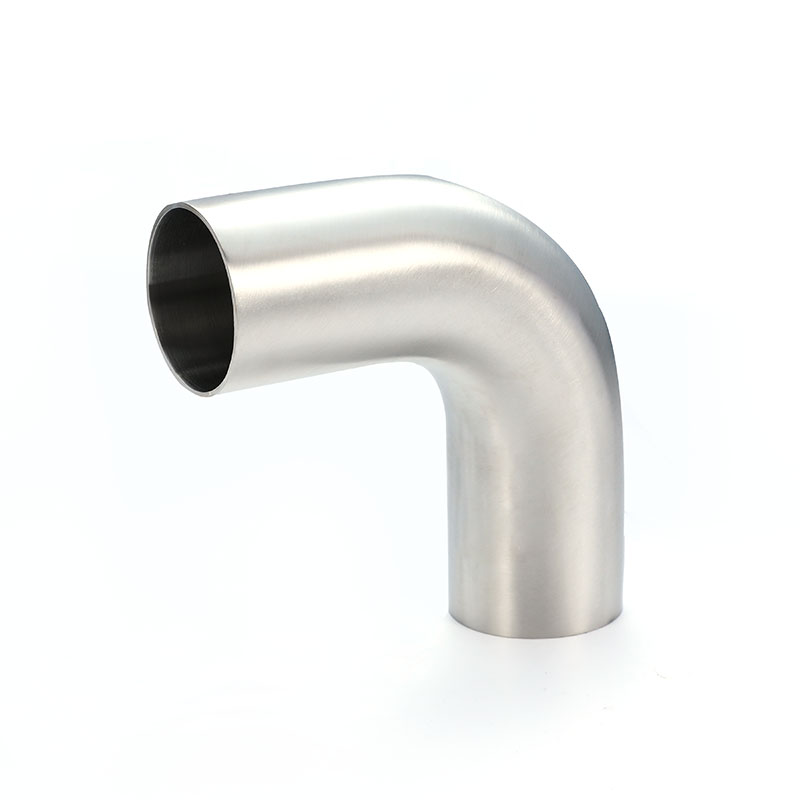
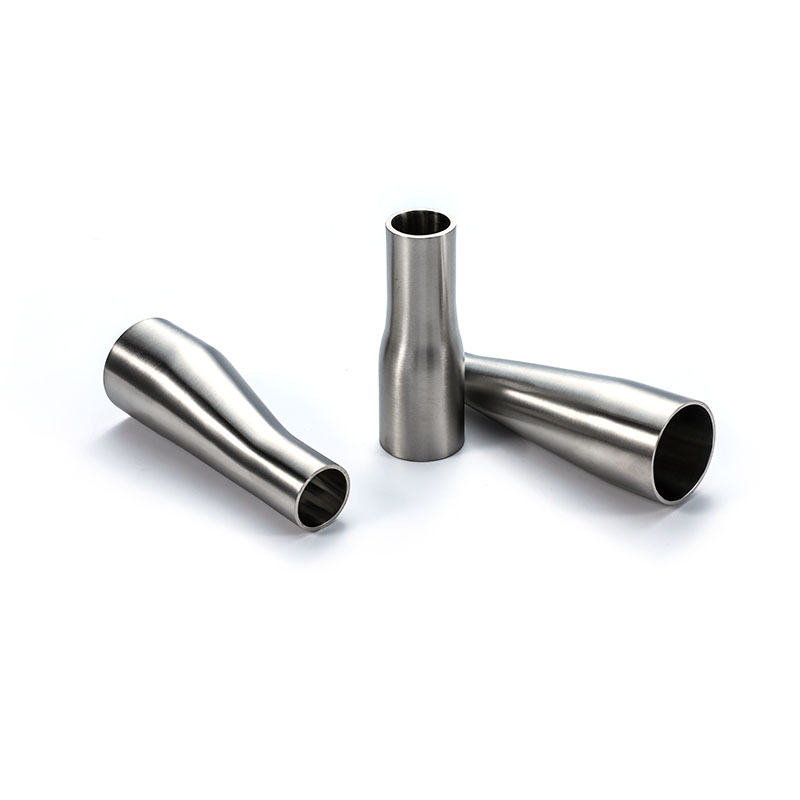
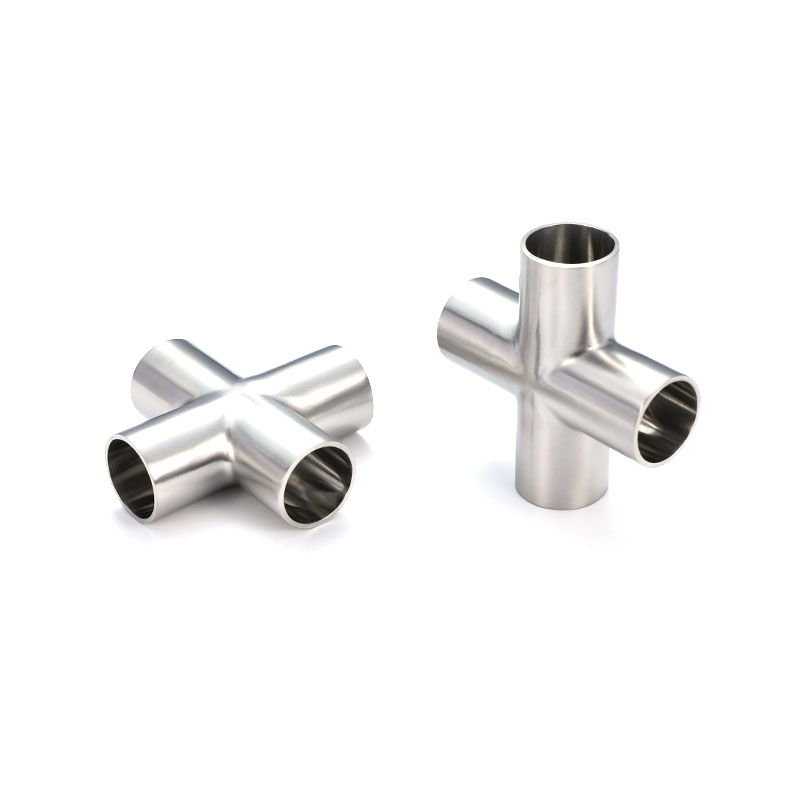
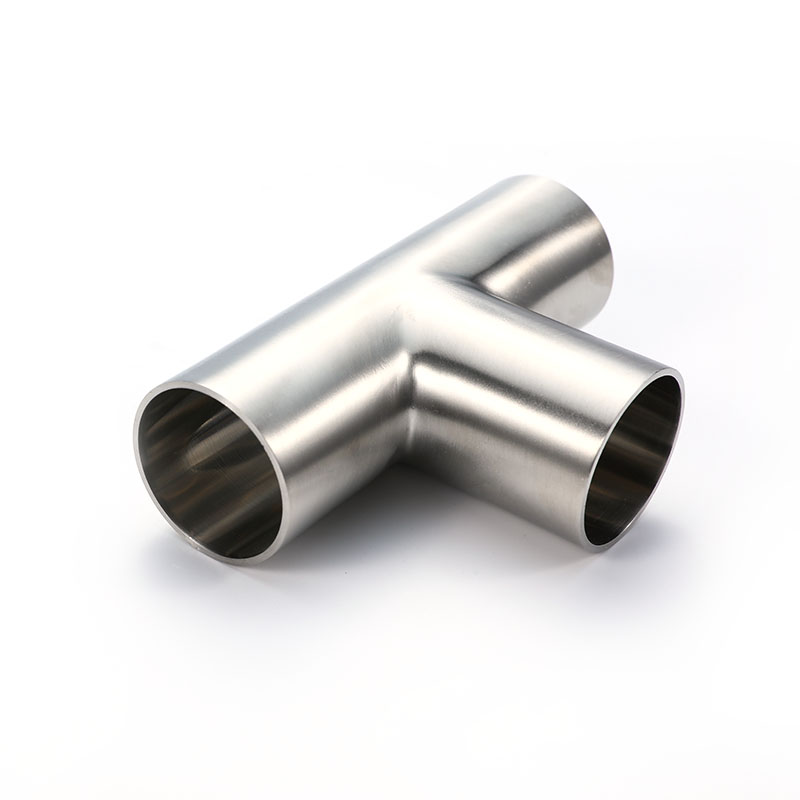
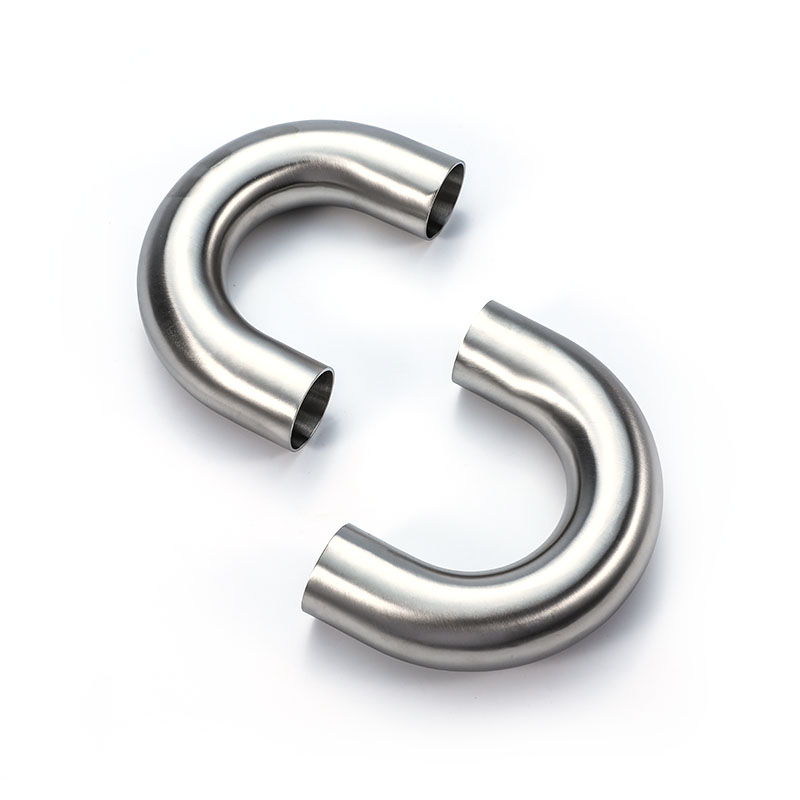
Fitting geometry can affect how fluid moves through a piping system and how accessible internal surfaces are during cleaning. Elbows, tees, reducers, and other components serve different purposes, so their internal transitions should be considered in relation to the application.
Abrupt transitions, unsuitable dimensions, or poorly matched components may create areas that are harder to clean effectively. Buyers should therefore review product drawings and confirm that the selected fitting geometry suits the system design.
From a manufacturing perspective, dimensional control and consistent forming or machining processes help maintain the intended internal profile. Reviewing these details during product approval can reduce the likelihood of discovering fit or cleaning concerns after installation.
Choose Connections That Match Maintenance Needs
Different sanitary systems use different connection arrangements according to operating requirements and maintenance practices. Some installations prioritize permanent connections, while others need components that can be disconnected for inspection or equipment servicing.
When evaluating Sanitary Pipe Fittings Wholesale options, buyers should consider how frequently the connection may need to be opened, the available working space, and the tools required for maintenance. A connection that is technically suitable but difficult to access can make routine service less convenient.
Manufacturers should confirm the connection specification and provide clear dimensional information. Buyers should also verify that the selected components are compatible with the cleaning procedures and operating conditions defined for the system.
Pay Attention to Internal Surface Quality
A sanitary fitting’s internal finish is an important consideration when product residue must be removed effectively. The required finish depends on the application, process material, and cleaning method, so one finish specification should not automatically be applied to every project.
Buyers should identify any required surface roughness, polishing method, or acceptance criteria before ordering. A clear specification gives manufacturers a measurable target and helps prevent misunderstandings caused by broad descriptions such as “smooth finish.”
During production, suitable inspection procedures can check the relevant internal areas, including transitions and weld zones where applicable. Consistent finishing and documented acceptance criteria make product evaluation more reliable.
Consider Inspection Access During Installation
Even a well-designed fitting can become difficult to inspect if it is installed in a crowded equipment area. Pipe spacing, nearby machinery, insulation, and the position of connected components can influence maintenance access.
Engineering teams should review the proposed arrangement before confirming fitting dimensions and orientations. Where routine inspection is necessary, enough space should be provided for the required checks and servicing tasks.
Manufacturers can assist by supplying accurate drawings and connection dimensions, allowing buyers to coordinate fitting selection with the broader equipment layout. This is particularly useful when components must fit into a compact processing line.
Match Materials to Cleaning Conditions
Cleaning agents, operating temperatures, and the properties of the conveyed medium can affect material suitability. Stainless steel is widely used in sanitary piping, but the appropriate grade should be selected according to the actual environment and project requirements.
Buyers should confirm the material grade and any required documentation before production. Manufacturers need to maintain material identification and ensure that finishing and fabrication processes align with the approved specification.
Material selection should also consider the complete connection, including compatible adjoining components. A fitting cannot be evaluated in isolation when its performance depends on the surrounding piping system.
Make Quality Control Part of the Design Process
Cleaning and maintenance requirements should influence inspection planning from the beginning. Depending on the product specification, checks may cover dimensions, connection geometry, surface condition, material identification, and visible manufacturing defects.
Manufacturers should establish acceptance criteria for the relevant characteristics and maintain records that connect inspection results with the approved product requirements. This helps identify deviations before shipment and supports consistency across repeat orders.
Select Fittings for the Complete System
A suitable sanitary fitting should match the process environment, connection design, cleaning method, and maintenance plan. For overseas buyers, discussing these requirements before ordering helps establish a clearer specification and reduces uncertainty during installation. Manufacturers that coordinate geometry, material selection, surface finishing, and inspection can provide a more dependable basis for sourcing components suited to the intended sanitary piping application.
Featured Bearings