English
 عربى
 русский
Contact Us

Wenzhou Dicheng Fluid Equipment Co., Ltd. specializes in the design, production, and sales of high-precision sanitary pipe fittings, valves, and fluid equipment. Our products are widely used in the dairy, food, beer, beverage, pharmaceutical, cosmetic, and fine chemical industries. We are a leading domestic manufacturer of sanitary fluid equipment.
Author: Dicheng
Date: Oct 02, 2026
How Can Better Pipe Fitting Selection Reduce Problems in Hygienic Processing Systems?
In hygienic processing environments, pipe connections must do more than carry liquids from one stage to another. They need to fit the installed pipeline, support effective cleaning, and maintain reliable connections under the intended operating conditions. A mismatch in dimensions, an unsuitable sealing arrangement, or a poorly finished contact surface can complicate installation and routine sanitation. For equipment manufacturers, plant operators, and procurement teams, reviewing these details before ordering helps reduce avoidable rework and supports more consistent system performance.
Confirm Connection Standards Before Ordering
One of the most common procurement challenges is assuming that fittings with similar nominal sizes are automatically interchangeable. In practice, connection dimensions, end styles, tolerances, and applicable standards may differ between systems.
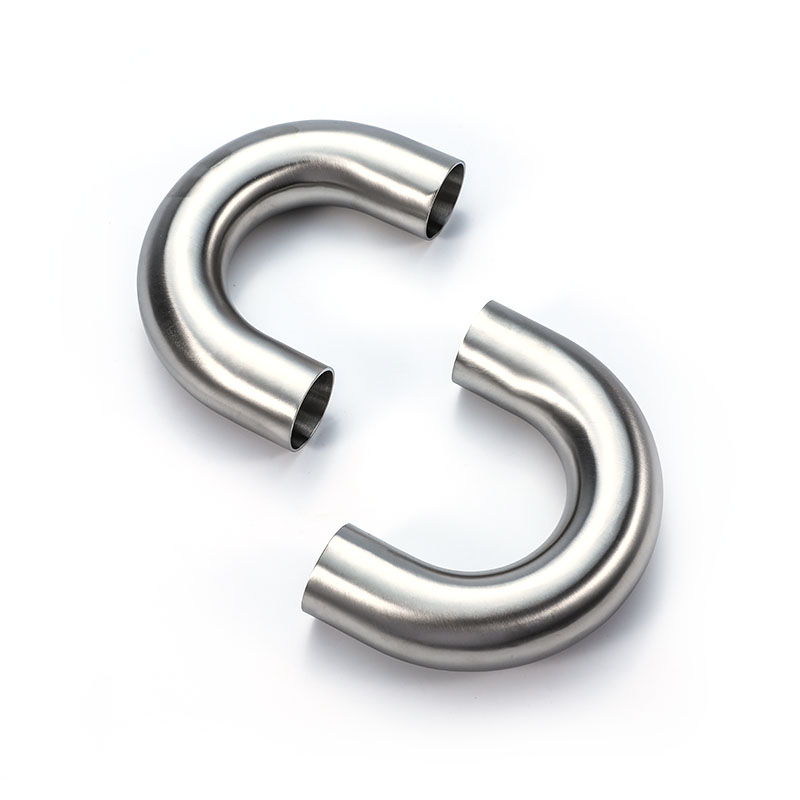
Before sourcing Sanitary Pipe Fittings Wholesale, buyers should confirm the required connection type, outside diameter, wall thickness where applicable, and relevant dimensional specifications. Drawings and existing component samples can help clarify requirements, particularly when fittings need to connect with equipment supplied under different project specifications.
Manufacturers should review these details before production or shipment. Clear dimensional information makes it easier to verify compatibility and reduces the risk of receiving components that require modification during installation.
Choose Materials for the Actual Process Conditions
Material selection should reflect the fluid being handled, operating temperature, cleaning chemicals, and expected service conditions. Stainless steel is widely used in hygienic piping applications, but the appropriate grade depends on the environment and system requirements.
Buyers should provide information about the process medium and cleaning routine rather than choosing a material based only on appearance. Exposure to corrosive substances, temperature changes, or aggressive cleaning solutions may influence material suitability.
Manufacturers can use the application details to clarify available material options and identify requirements that need additional verification. Material traceability and clear product documentation may also be important for projects with defined inspection or quality management procedures.
Pay Attention to Surface Finish and Cleanability
In hygienic systems, the condition of surfaces in contact with the process medium can influence how easily equipment can be cleaned. Rough areas, scratches, crevices, or poorly aligned connections may create locations where residue accumulates.
When evaluating a fitting, buyers should consider the finish of the internal surface, the quality of welds where present, and the transition between connected components. The required finish should be specified according to the process and applicable project requirements rather than assumed from the product category alone.
For manufacturers, consistent finishing and inspection procedures help maintain the intended surface condition across production batches. Buyers should also clarify whether surface roughness measurements or other inspection records are required for acceptance.
Match Sealing Methods to Operating Requirements
A reliable hygienic connection depends on compatible sealing components and correct assembly. Different connection designs may use gaskets, clamps, threads, or welded joints, each with specific installation and maintenance considerations.
Before ordering, buyers should confirm the connection method, gasket material where applicable, operating pressure, temperature range, and cleaning conditions. A seal that is suitable for one process may not be appropriate for another, particularly when chemical exposure or frequent disassembly is involved.
Manufacturers should clearly identify the supplied components and any assembly requirements. Accurate specifications help installers avoid mixing incompatible parts and make future replacement easier to manage.
Consider Drainage and Pipeline Layout
Pipe routing can influence cleaning access, drainage, and the behavior of liquids inside a processing system. Even correctly manufactured fittings may not deliver the intended result if the surrounding layout creates low points, difficult-to-clean branches, or unsuitable transitions.
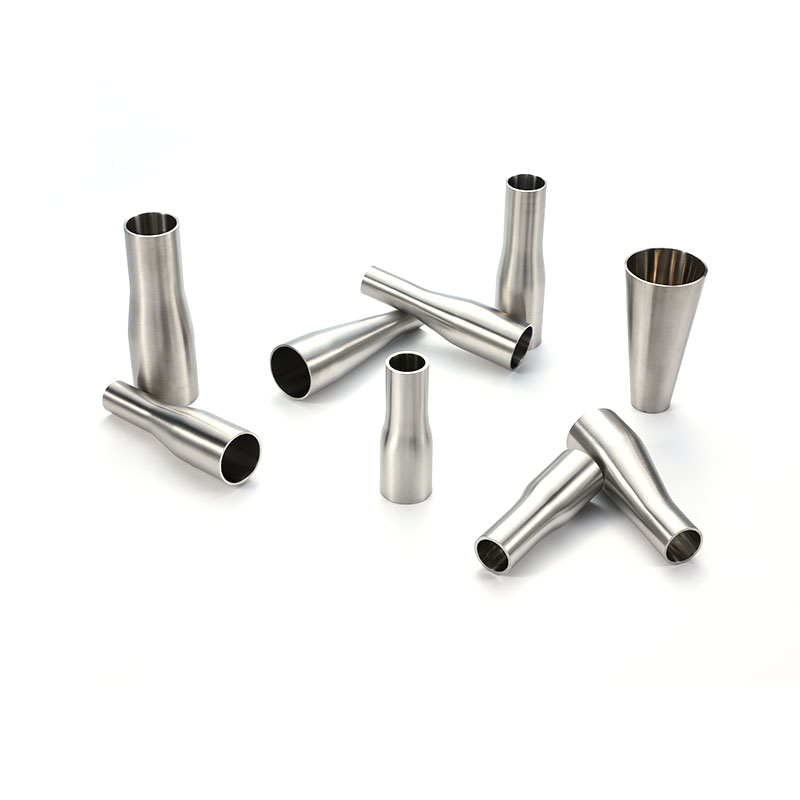
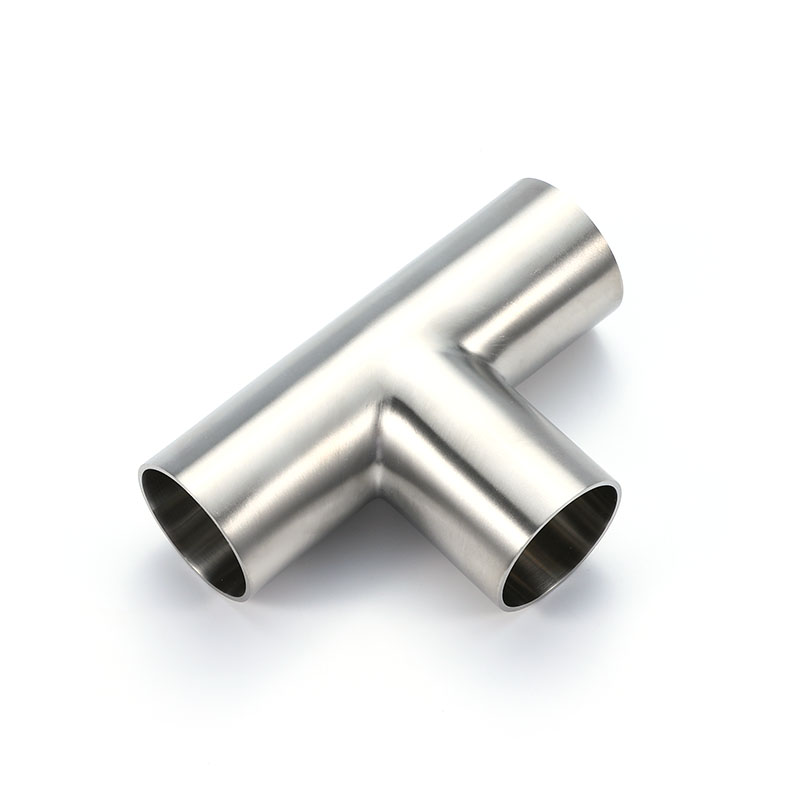
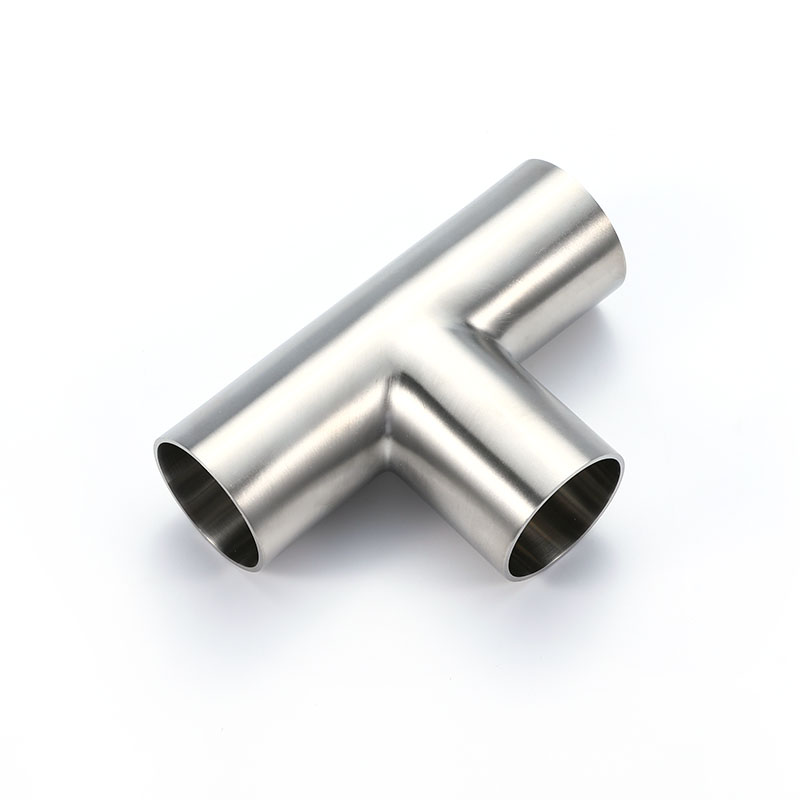
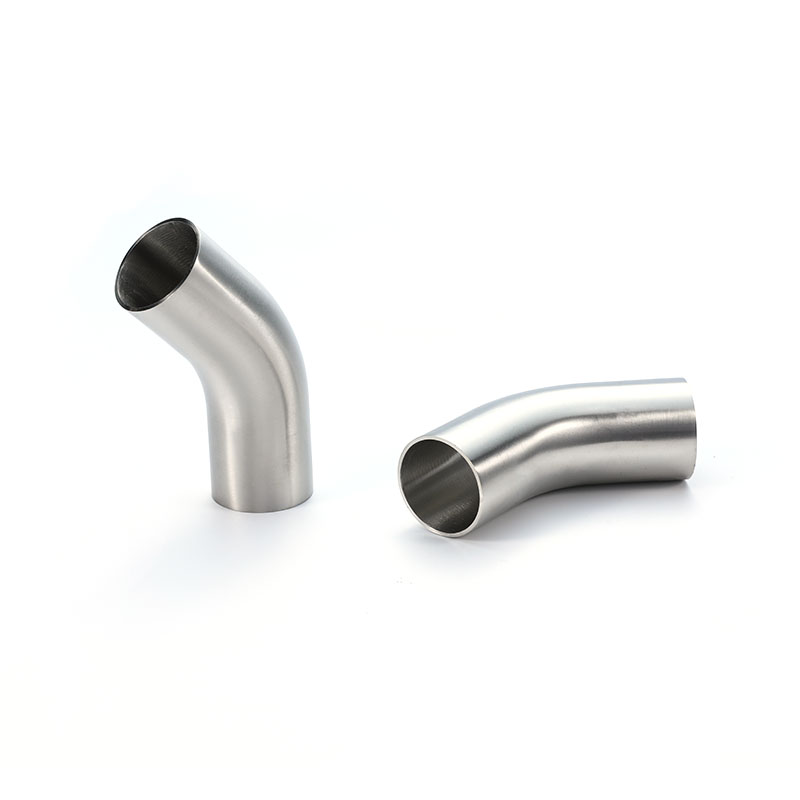
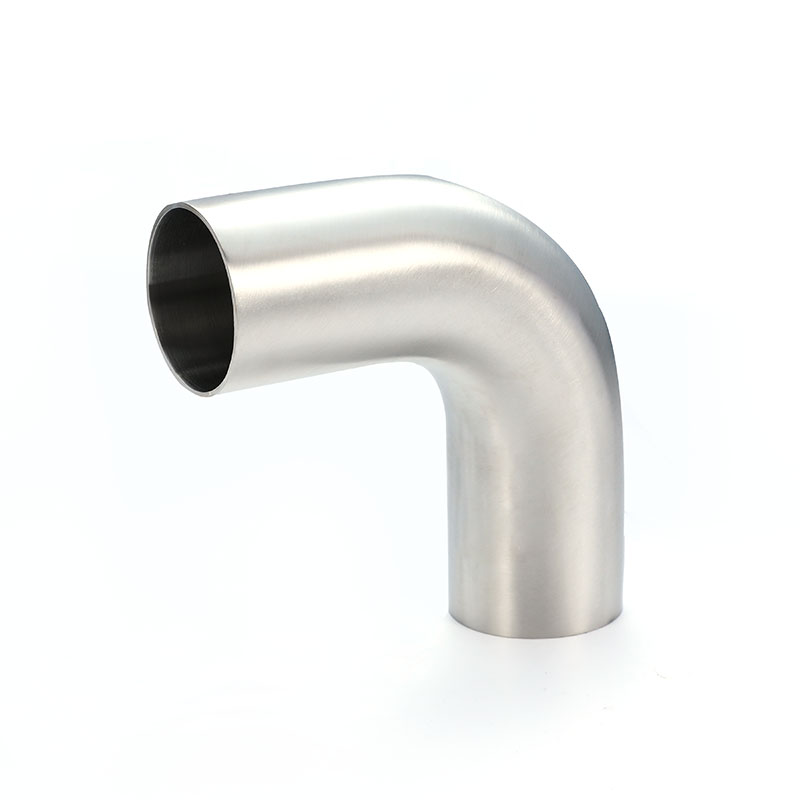
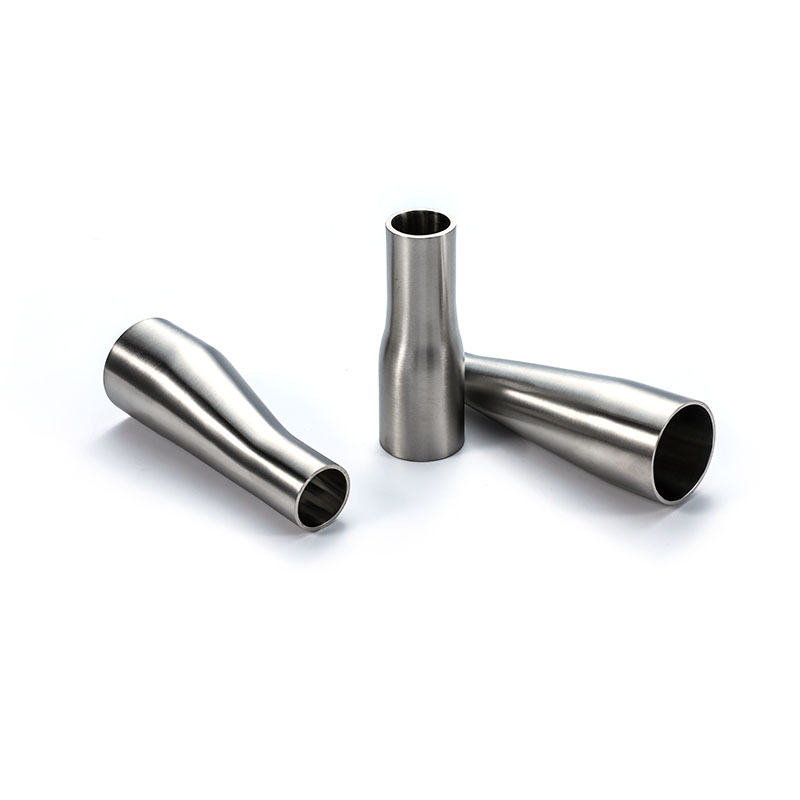
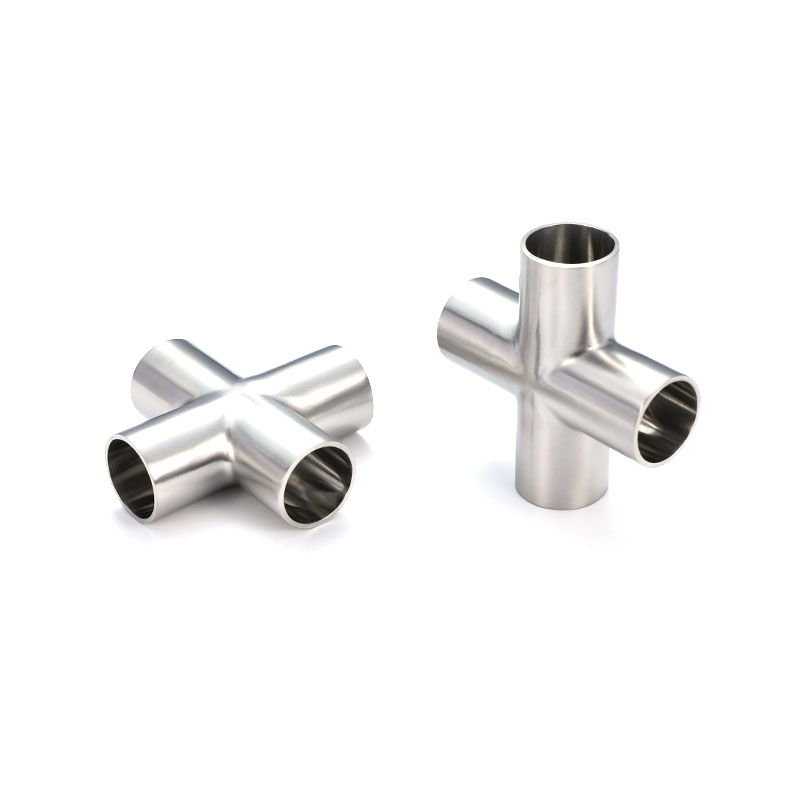
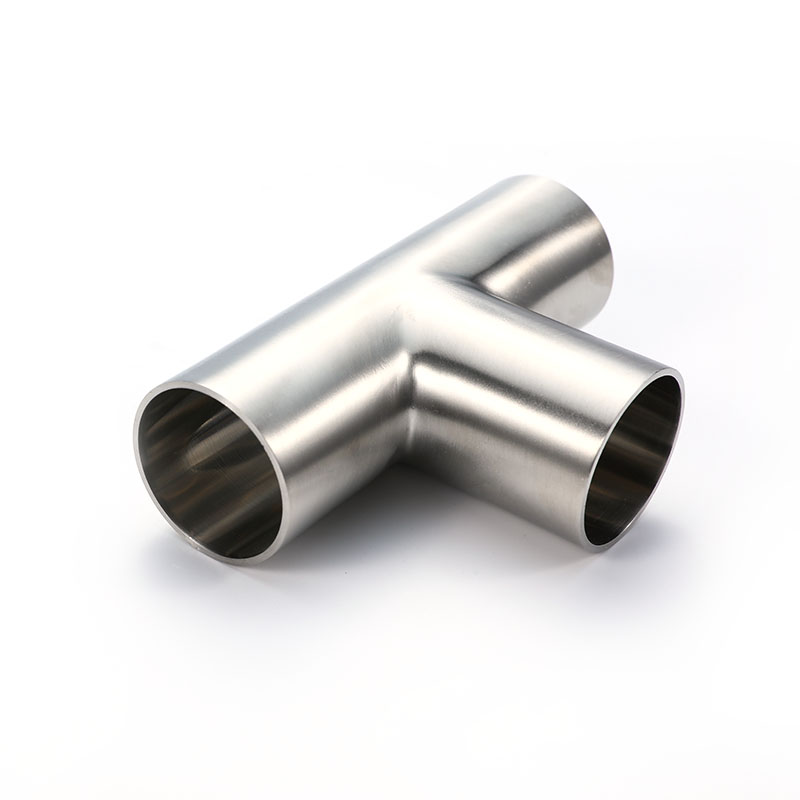
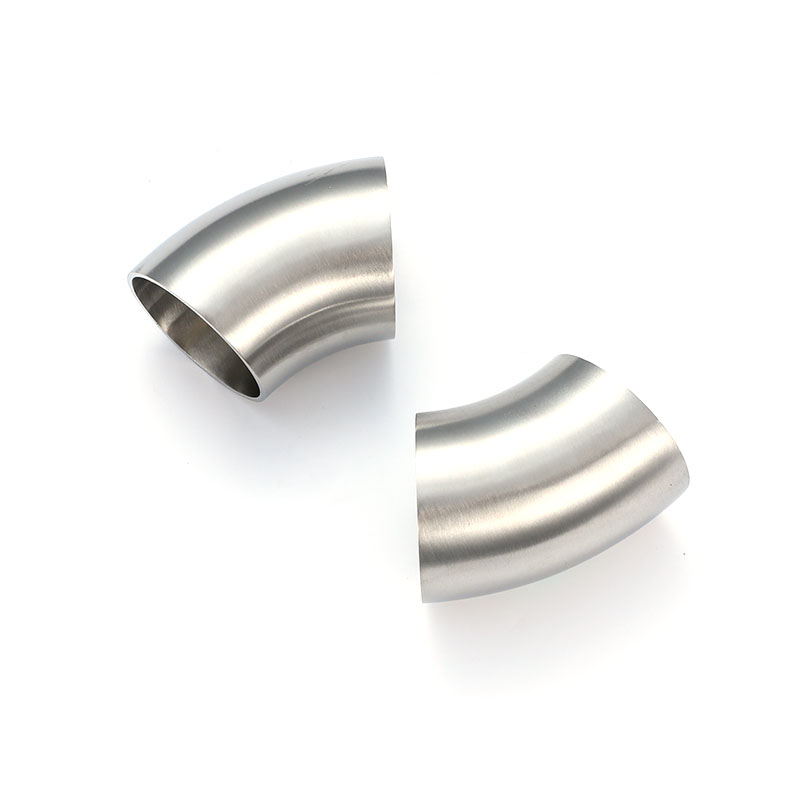
Engineers should evaluate how elbows, tees, reducers, and other fittings affect the overall piping arrangement. The required configuration will depend on the process, flow direction, equipment connections, and cleaning method.
When buyers provide layout drawings during procurement, manufacturers can check the requested fitting geometry and identify dimensional questions before production. Final system design should still be verified by the responsible project engineer.
Establish Consistent Quality Checks for Bulk Orders
For wholesale purchases, checking one sample is not enough to establish that every component in a shipment meets the same requirements. Variations in dimensions, surface condition, material identification, or end preparation may create installation problems across a larger project.
A practical inspection plan may include:
- Verifying key dimensions against approved drawings
- Checking visible surface defects and end preparation
- Confirming material grades and identification where specified
- Inspecting sealing components and accessory quantities
- Reviewing required inspection documents and packaging labels
The inspection scope should reflect the fitting type and project specifications. Documented acceptance criteria give buyers and manufacturers a common reference for resolving quality questions.
Prepare a Clear Specification for Wholesale Purchasing
Successful procurement starts with accurate technical information. Buyers should define fitting types, dimensions, materials, connection standards, surface finish, sealing requirements, quantities, and documentation needs before requesting a quotation.
A Sanitary Pipe Fittings Wholesale supplier can then evaluate the order against the intended application and manufacturing requirements. By confirming compatibility, cleanability, sealing details, and inspection expectations in advance, buyers can reduce avoidable sourcing errors and create a more reliable basis for installation, maintenance, and repeat purchasing.
Featured Bearings