English
 عربى
 русский
Contact Us

Wenzhou Dicheng Fluid Equipment Co., Ltd. specializes in the design, production, and sales of high-precision sanitary pipe fittings, valves, and fluid equipment. Our products are widely used in the dairy, food, beer, beverage, pharmaceutical, cosmetic, and fine chemical industries. We are a leading domestic manufacturer of sanitary fluid equipment.
Author: Dicheng
Date: Oct 09, 2026
What Makes Sanitary Pipe Fittings Wholesale Orders Easier to Manage?
In hygienic processing environments, pipe fittings must do more than connect individual sections of a pipeline. Their dimensions, material properties, surface condition, and connection design all influence installation efficiency and routine cleaning. For manufacturers supplying food processing equipment, pharmaceutical production facilities, and other hygienic applications, consistent product specifications are essential. When buyers place large orders for multiple fitting types, careful coordination between product design, manufacturing, inspection, and packaging helps reduce purchasing complications and supports smoother project execution.
Establish Clear Specifications Before Ordering
One of the first challenges in bulk procurement is making sure every fitting matches the intended pipeline design. Differences in nominal size, wall thickness, connection type, or dimensional tolerances can create installation difficulties, particularly when several components need to work together.
Before confirming an order, buyers should provide the required drawings, dimensions, connection standards, and product quantities. Manufacturers can review these details to identify potential compatibility issues before production begins.
For Sanitary Pipe Fittings Wholesale projects, a clearly defined specification sheet also helps purchasing teams compare samples with production batches and reduces the risk of ordering components that do not match the installation requirements.
Select Materials According to Operating Conditions
Material selection should reflect the processing environment rather than rely on a general assumption that one material suits every application. Factors such as contact media, cleaning chemicals, operating temperature, and corrosion exposure can influence the appropriate choice.
Stainless steel is commonly used in hygienic piping applications because suitable grades can provide corrosion resistance and a cleanable surface. However, the final grade should be selected according to the actual process conditions and applicable project requirements.
Manufacturers should confirm the requested material grade before production and maintain appropriate material identification records. This helps buyers verify that supplied components correspond to the agreed specifications.
Pay Attention to Surface Finish and Cleanability
Surface condition is an important consideration when selecting fittings for hygienic systems. Rough surfaces, visible defects, or poorly finished transitions may make cleaning more difficult, depending on the product design and process requirements.
Buyers should clarify whether a particular surface finish is required and how it will be inspected. Relevant considerations include surface roughness, weld quality where applicable, visible scratches, and the condition of internal surfaces that contact the process medium.
Manufacturers should establish suitable finishing procedures and inspection criteria rather than relying on appearance alone. Clear acceptance requirements help ensure that both parties understand what constitutes an acceptable finished product.
Check Connection Compatibility Across Product Types
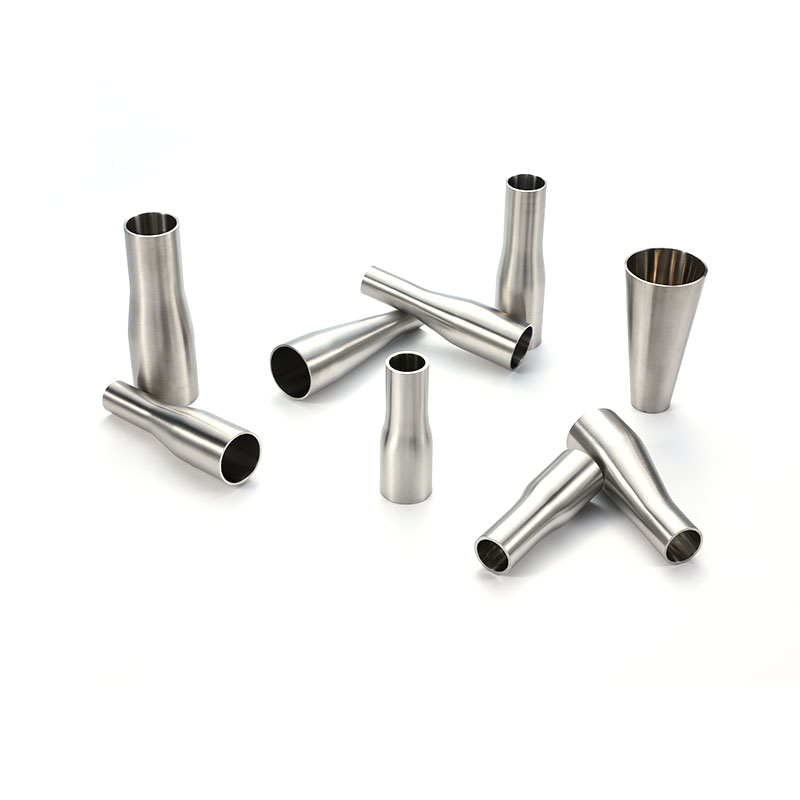
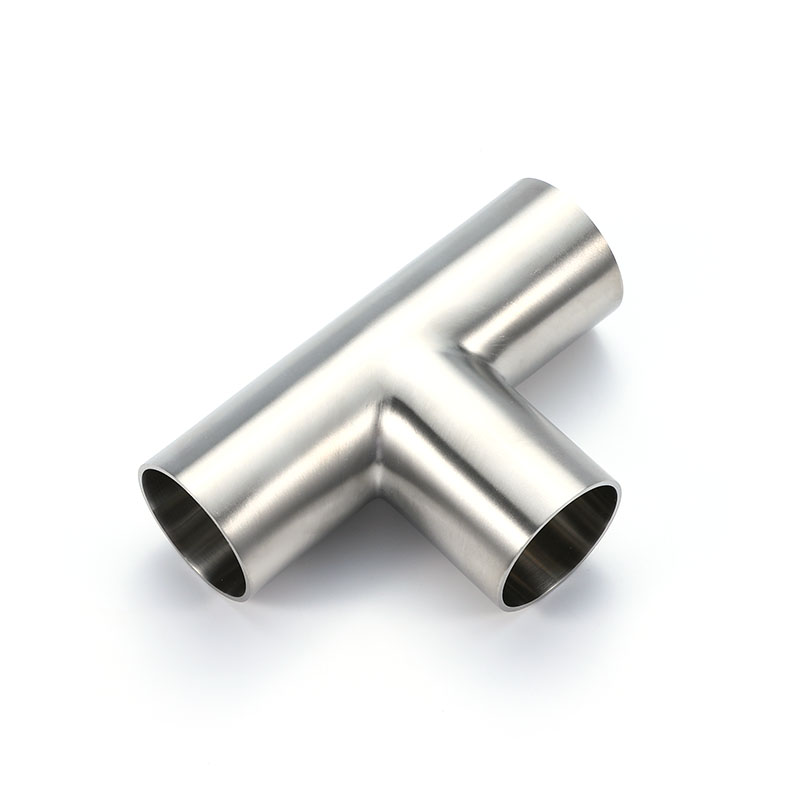
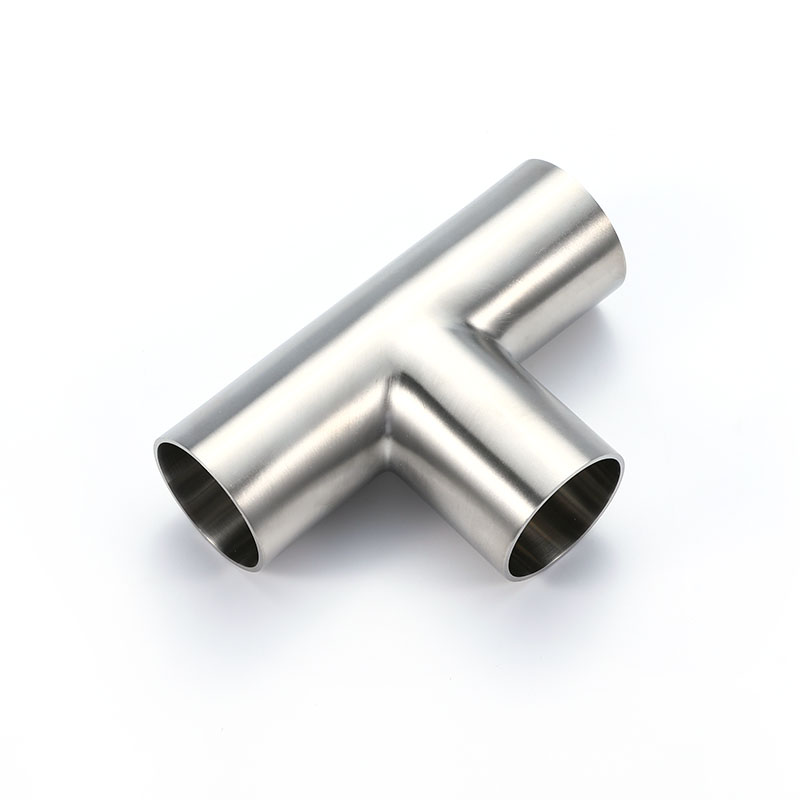
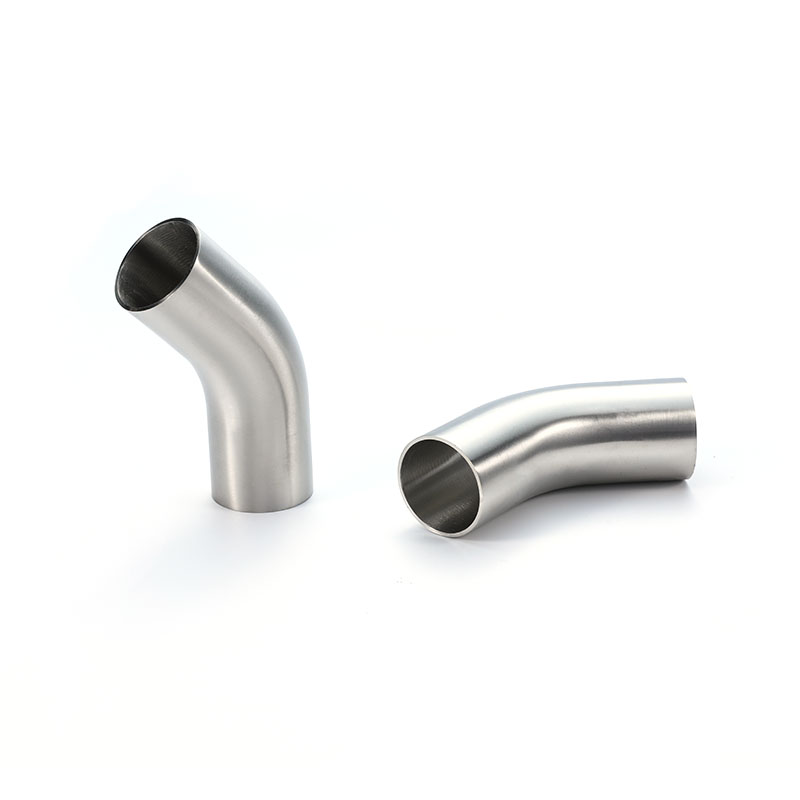
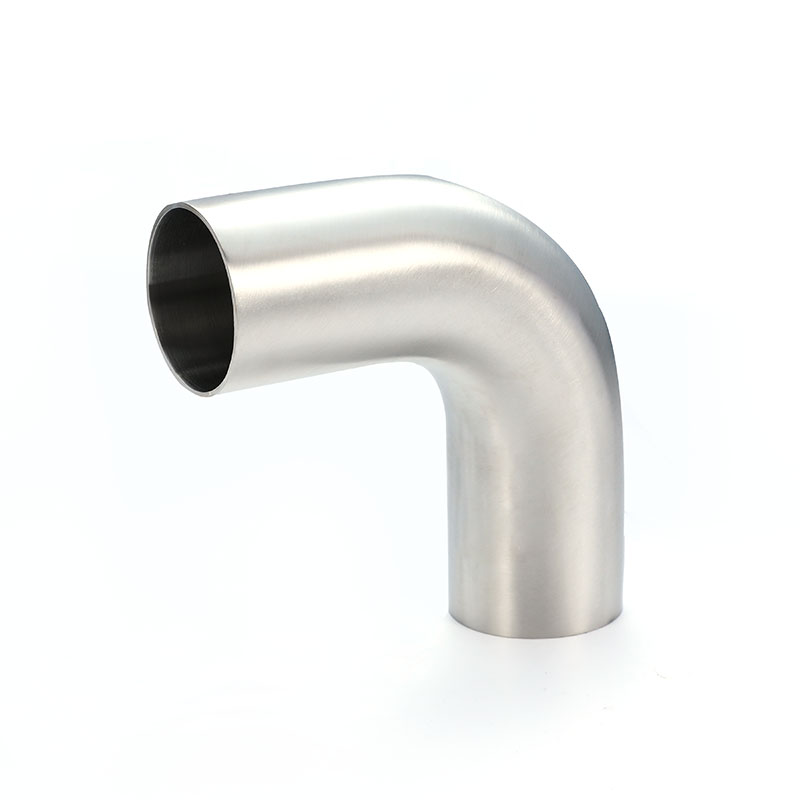
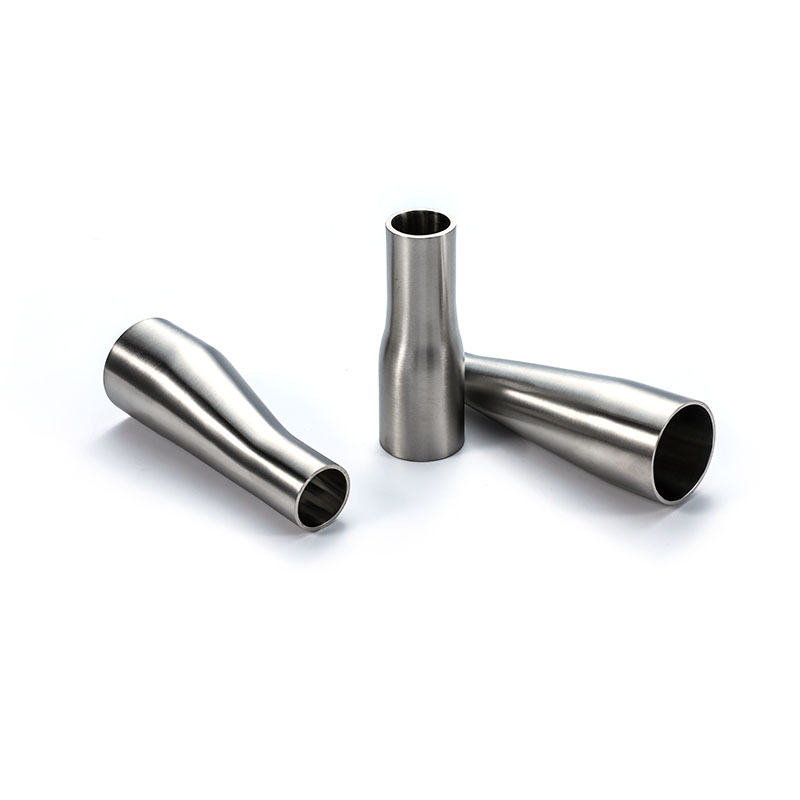
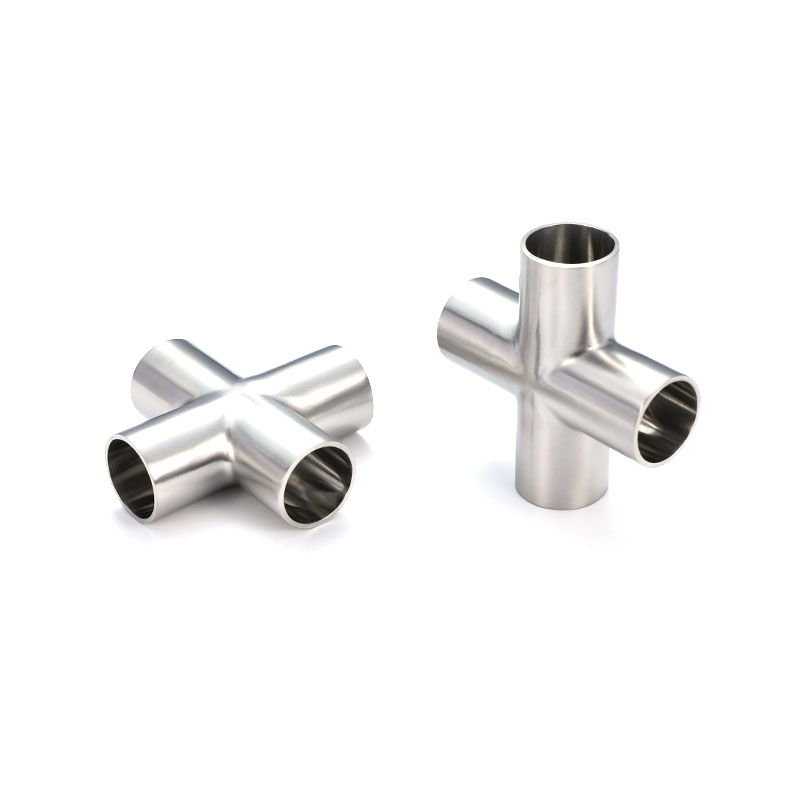
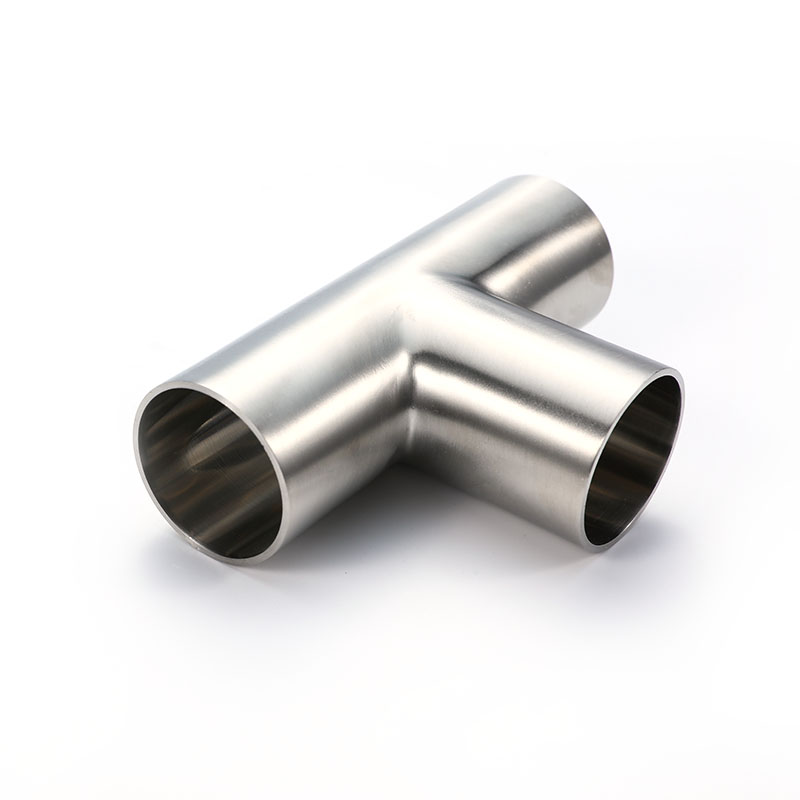
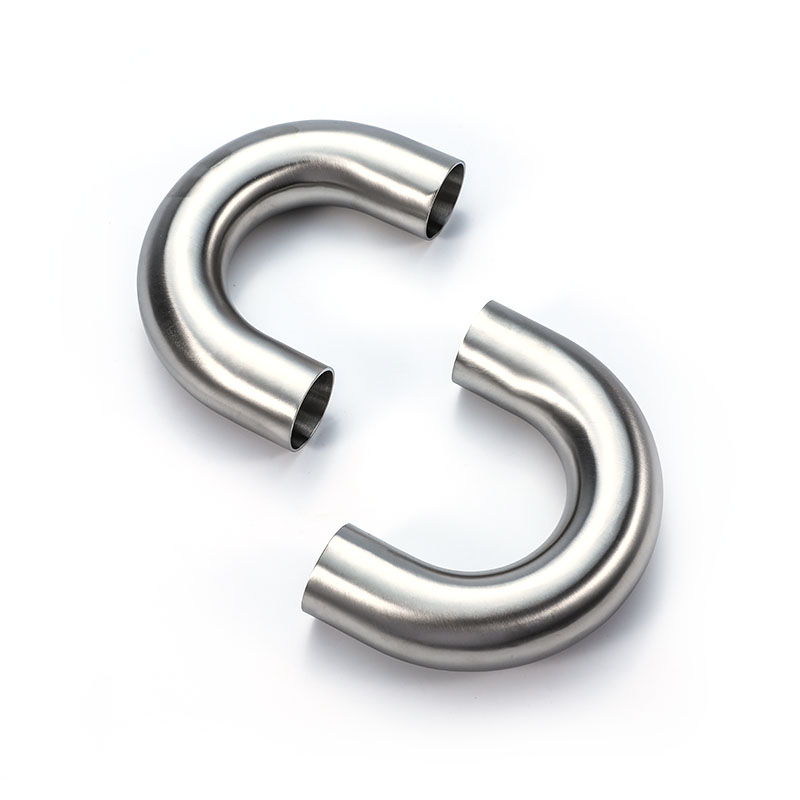
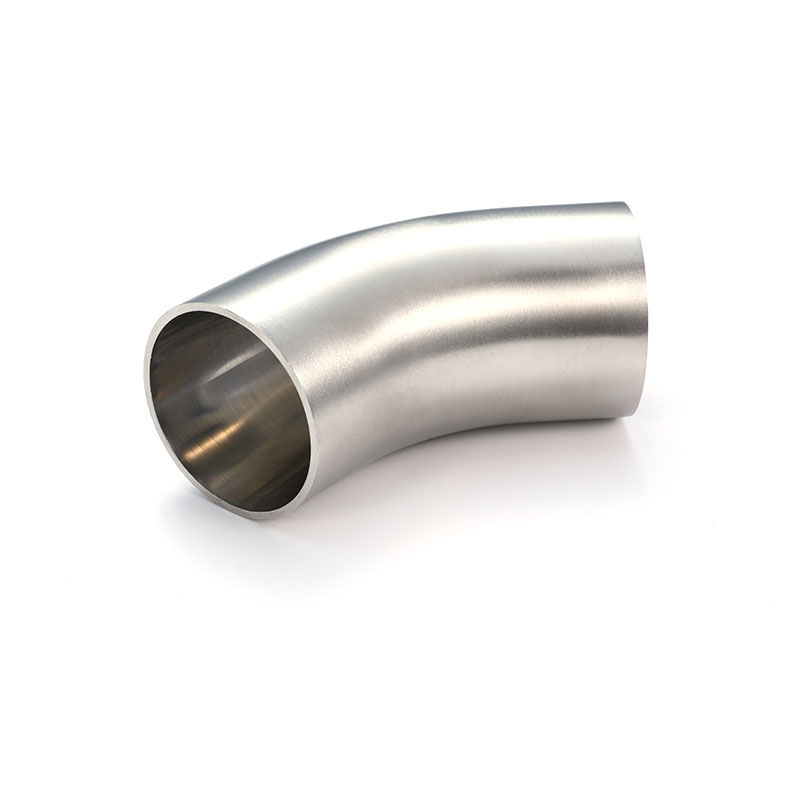
Bulk orders may include elbows, tees, reducers, ferrules, clamps, and other fittings. Although these products may share the same nominal size, their connection dimensions and intended functions are not necessarily interchangeable.
A coordinated product list can help manufacturers confirm the relationship between fitting types and identify missing components before production. Buyers should also consider installation space, pipeline direction, and the need to connect fittings to existing equipment.
Reviewing the complete configuration is generally more practical than evaluating each item independently. It can reduce mismatched components and unnecessary adjustments during installation.
Maintain Quality Consistency Between Batches
A sample may meet the required specifications, but bulk production introduces additional quality-control considerations. Variations in machining, welding, polishing, or dimensional control can affect consistency across a large shipment.
Manufacturers can manage these risks through incoming material checks, in-process inspections, and final verification. Depending on the product, inspection may cover dimensions, connection accuracy, surface condition, weld appearance, and other agreed acceptance criteria.
Inspection records also provide a reference for repeat orders. When the same product is purchased again, documented specifications and quality requirements help maintain continuity between batches.
Coordinate Packaging and Shipment Details
Sanitary fittings need appropriate packaging to protect their surfaces and connection areas during handling and transportation. Poor packing arrangements may lead to scratches, contamination, mixed product types, or difficulties identifying individual components.
Before production is completed, buyers and manufacturers should confirm quantities per package, product labels, carton requirements, and any separation needed between different fitting sizes. Protective packaging should be suitable for the product finish and expected shipping conditions.
A final quantity check against the purchase order helps reduce discrepancies and makes receiving inspections easier for overseas customers.
Build a More Reliable Procurement Process
Successful bulk purchasing depends on clear specifications, suitable materials, consistent manufacturing, and controlled shipment preparation. For manufacturers, coordinating these stages creates a practical framework for delivering products that match the agreed requirements. For overseas buyers, evaluating these procedures alongside product samples can provide a more complete picture of a supplier's capabilities.
When product details and acceptance criteria are confirmed before production, procurement teams can manage orders more efficiently and reduce avoidable complications during installation and repeat purchasing.
Featured Bearings