English
 عربى
 русский
Contact Us

Wenzhou Dicheng Fluid Equipment Co., Ltd. specializes in the design, production, and sales of high-precision sanitary pipe fittings, valves, and fluid equipment. Our products are widely used in the dairy, food, beer, beverage, pharmaceutical, cosmetic, and fine chemical industries. We are a leading domestic manufacturer of sanitary fluid equipment.
Author: Dicheng
Date: Oct 23, 2026
Why Does Smarter Inventory Planning Matter for Sanitary Pipe Fittings?
Sanitary piping projects often require a combination of elbows, tees, reducers, unions, clamps, and other connection components. Even when each fitting meets its individual specification, poor purchasing coordination can leave installers waiting for one missing part while other items remain unused in storage. For wholesalers, engineering contractors, and equipment manufacturers, effective inventory planning is therefore closely connected to project scheduling, warehouse efficiency, and purchasing costs. A structured approach helps buyers order the right components in suitable quantities without overlooking the technical requirements of the system.
Organize Products by More Than Nominal Size
Nominal size is useful for initial classification, but it is not enough to distinguish every sanitary fitting. Products with similar dimensions may have different connection types, material grades, shapes, or surface requirements.
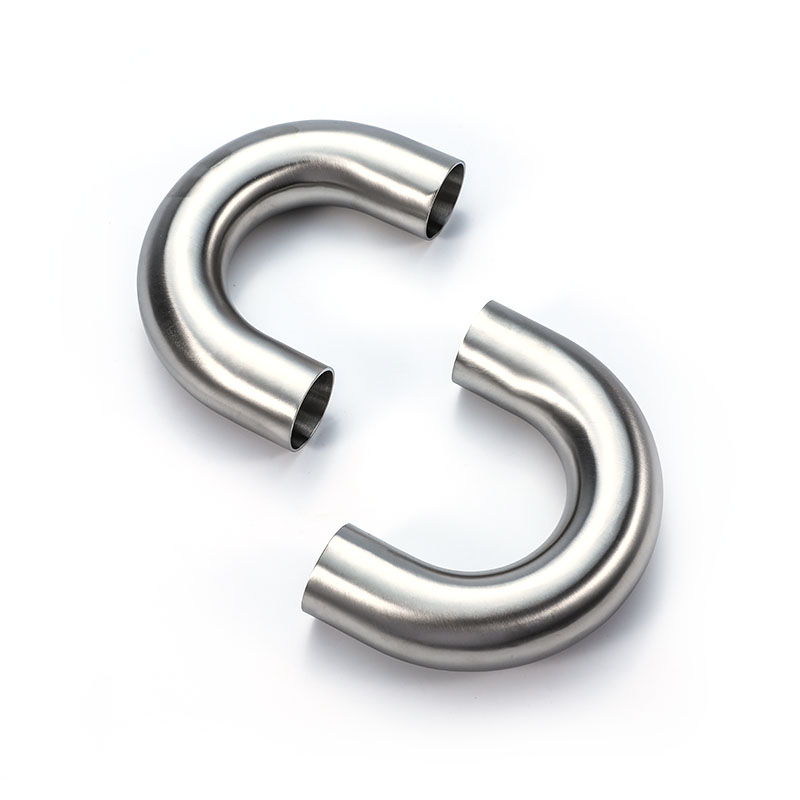
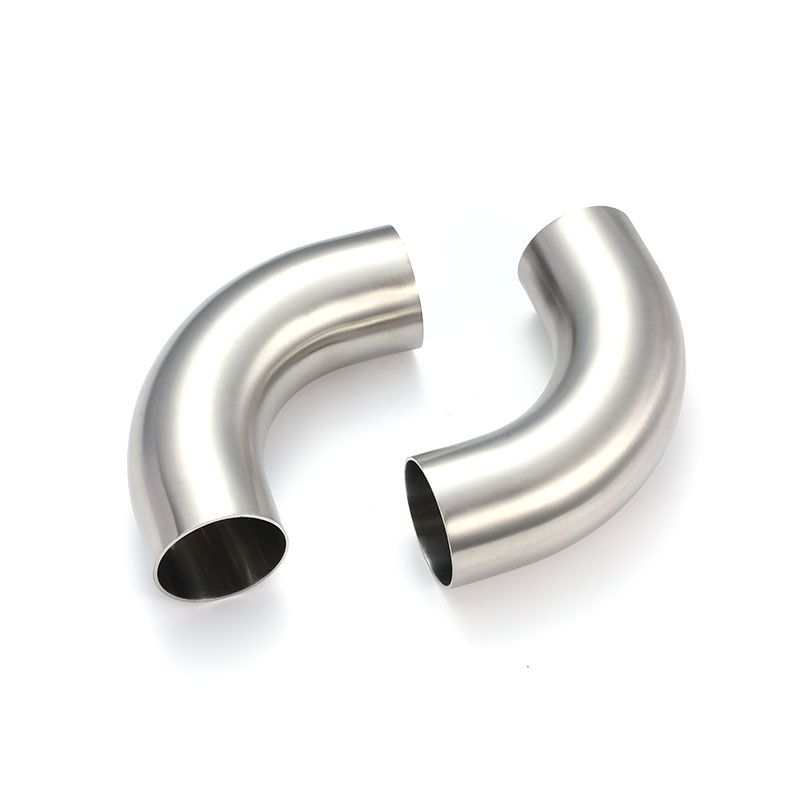
For Sanitary Pipe Fittings Wholesale orders, buyers should maintain a product list that records the characteristics needed to identify each item accurately. This may include fitting type, size, connection method, material, finish, and applicable drawing or specification reference.
Manufacturers can support this process by using consistent product codes and clearly structured quotations. When the same identification system continues through production, inspection, packing, and delivery, the risk of confusing similar components becomes easier to control.
Calculate Quantities From the Installation Plan
Ordering too few fittings can interrupt installation, while excessive purchasing may tie up warehouse space and working capital. The appropriate quantity depends on the piping layout, equipment connections, project schedule, and the availability of replacement stock.
Buyers should prepare a component schedule based on the actual system design rather than estimating quantities from a general project description. Where drawings change, the purchasing list should be revised before the order is finalized.
Manufacturers can review the requested quantities against the product breakdown and flag unclear specifications before production begins. This communication helps both parties identify missing information while there is still time to adjust the order.
Coordinate Related Components in One Order
A piping system depends on connections working together. Receiving most of the required fittings does not necessarily allow an installation team to proceed if an essential reducer, clamp, or connector is missing.
Procurement teams should group related components according to the equipment or piping section they serve. Clear packing lists and carton labels can then help warehouse staff identify which items belong to each order or project.
Manufacturers should also confirm whether the order contains special items that require different production or inspection arrangements. This allows delivery planning to reflect the actual product mix instead of treating every component as interchangeable stock.
Balance Standard Stock With Custom Requirements
Some projects use frequently ordered fitting configurations, while others require specific dimensions, materials, or connection details. Keeping standard products available can support routine purchasing, but custom items may need additional confirmation and production time.
Buyers should distinguish standard specifications from project-specific requirements when requesting quotations. Manufacturers can then separate products that follow established configurations from those requiring drawing review, sample approval, or additional inspection.
This distinction makes order planning more transparent and helps reduce confusion when standard and customized products are purchased together.
Maintain Traceability Across Repeat Orders
For wholesalers serving recurring customers, consistent product identification can simplify replenishment. A previous purchase order provides a useful reference, but buyers should still confirm whether the new project requires any changes to materials, dimensions, or finish.
Manufacturers should retain approved specifications and document authorized revisions. Batch records and appropriate material documentation can also help buyers verify that delivered products match the agreed requirements.
These practices are particularly useful when several similar fitting types are purchased over time and need to remain distinguishable in warehouse inventory.
Improve Delivery Preparation Through Clear Communication
Before dispatch, both parties should confirm product quantities, identification, packaging, and the required shipping documentation. Packing lists should match the actual contents, while protective packaging should suit the fitting material and transportation conditions.
A final order review can help identify quantity discrepancies or labeling errors before goods leave the factory. Clear communication about production progress and shipment readiness also gives buyers more time to coordinate warehouse receiving and project schedules.
Build a More Predictable Purchasing Process
Efficient sanitary fitting procurement depends on accurate product identification, realistic quantity planning, coordinated component lists, and reliable order records. By connecting these practices with manufacturing and delivery controls, suppliers can help buyers manage inventory more effectively and reduce avoidable disruptions. For wholesale customers, a well-organized purchasing process makes repeat orders easier to review and supports more consistent planning across sanitary piping projects.
Featured Bearings