English
 عربى
 русский
Contact Us

Wenzhou Dicheng Fluid Equipment Co., Ltd. specializes in the design, production, and sales of high-precision sanitary pipe fittings, valves, and fluid equipment. Our products are widely used in the dairy, food, beer, beverage, pharmaceutical, cosmetic, and fine chemical industries. We are a leading domestic manufacturer of sanitary fluid equipment.
Author: Dicheng
Date: Nov 27, 2026
Which DIN Sanitary Fittings Are Suitable for Your Processing Pipeline Design?
Designing a hygienic pipeline involves more than selecting pipes with the correct diameter. Elbows, tees, reducers, unions, and other connection components all influence installation flexibility, product flow, and equipment maintenance. For food processing plants, beverage manufacturers, and pharmaceutical equipment builders, selecting suitable fittings at the beginning of a project can help avoid unnecessary modifications later. Working with an experienced DIN Sanitary Fittings Manufacturer also makes it easier to coordinate product specifications, connection dimensions, and material requirements across the entire system. Understanding the function of different fitting types is a practical starting point.
Why Does Fitting Selection Matter in Pipeline Design?
A processing pipeline may contain several changes in direction, branches, diameter transitions, and equipment connection points. Each position requires a fitting that matches the system layout and operating conditions.
An unsuitable component can create installation difficulties, restrict flow, or complicate future maintenance. For example, an incorrectly selected reducer may not match the required pipe dimensions, while an unsuitable elbow may interfere with the available installation space.
Engineers should therefore consider the complete pipeline arrangement rather than selecting individual fittings independently. Reviewing the layout drawings before purchasing helps identify the number, type, and dimensions of components required.
Which Fitting Types Are Commonly Used?
Different sanitary fittings serve different connection and pipeline configuration requirements. Understanding their functions helps procurement teams prepare more accurate purchasing specifications.
Common options include:
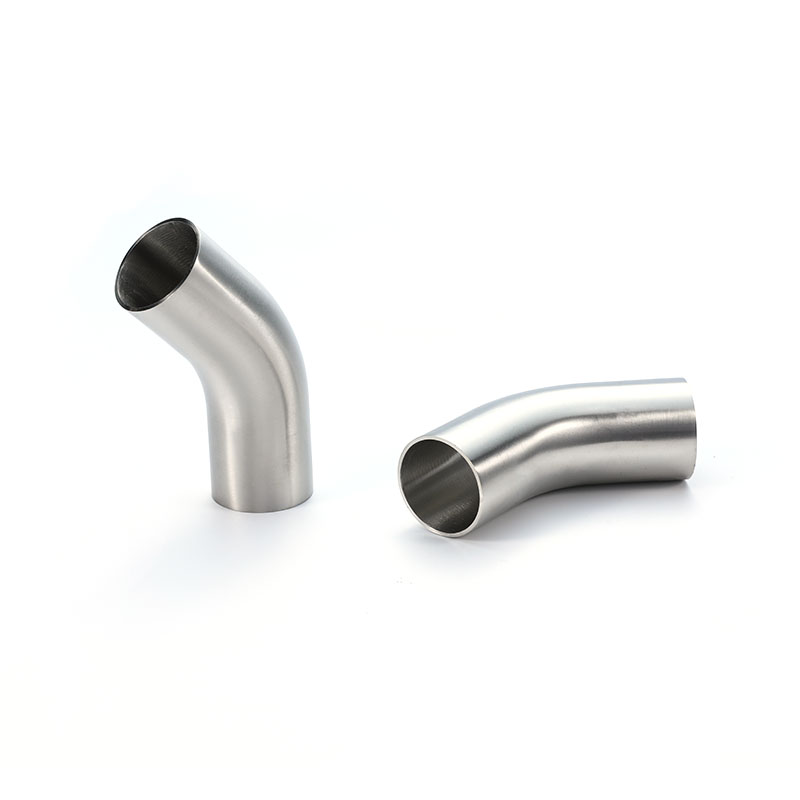
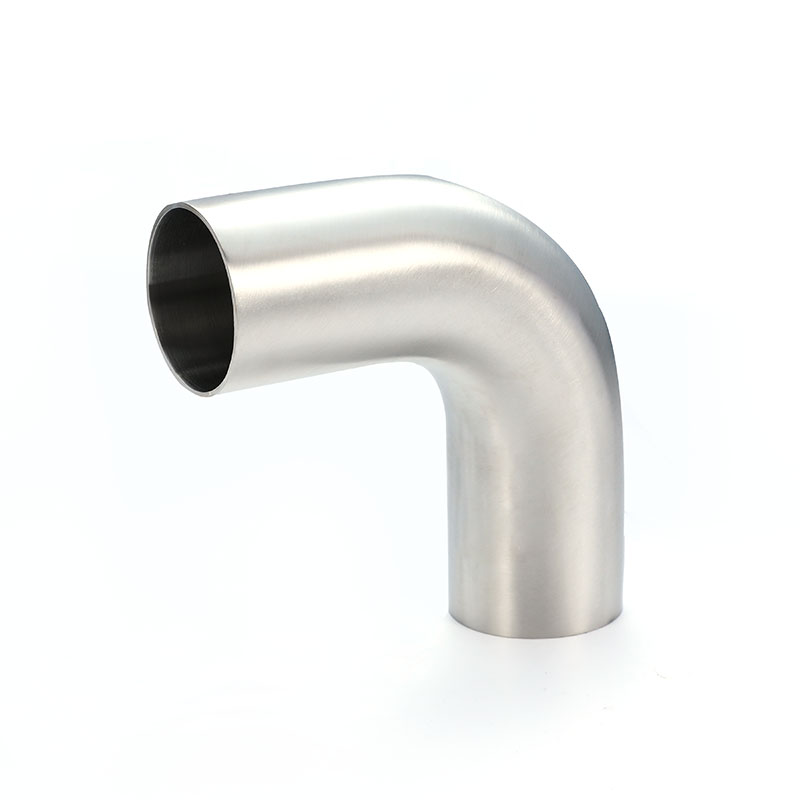
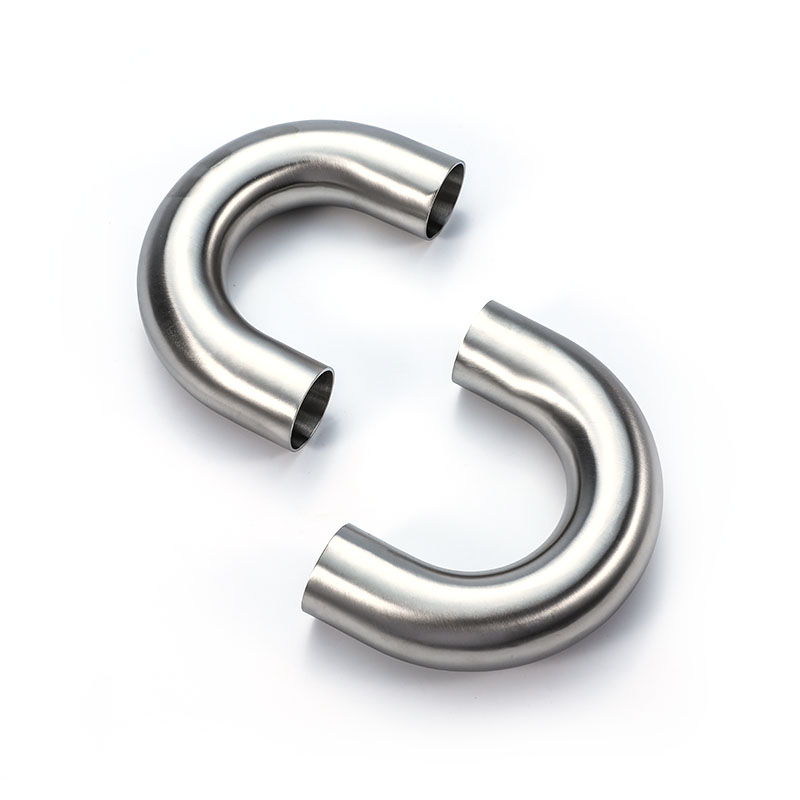
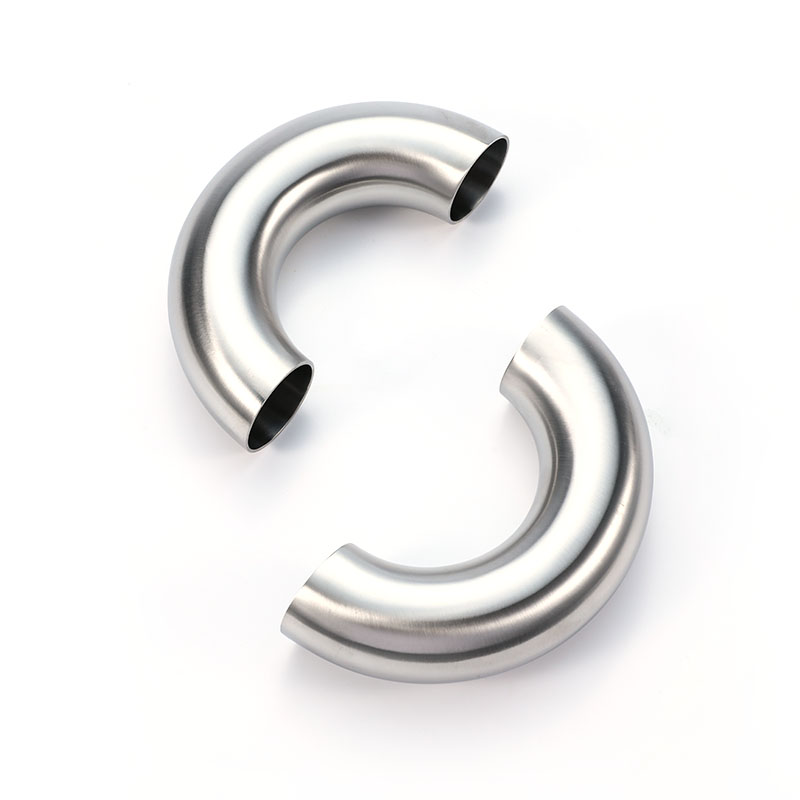
- Sanitary Elbows: Used to change pipeline direction while maintaining a suitable connection arrangement.
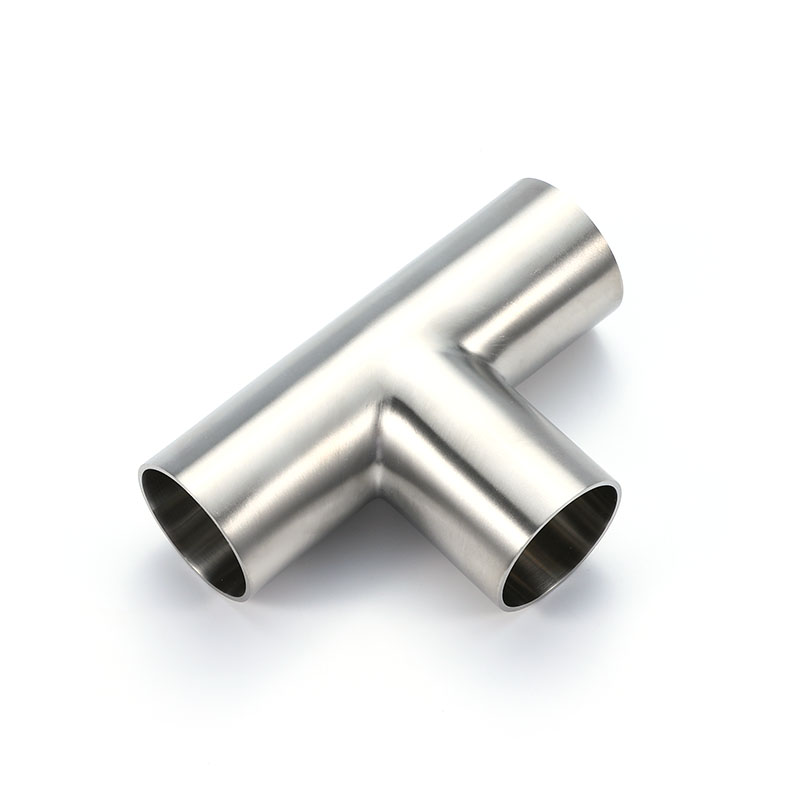
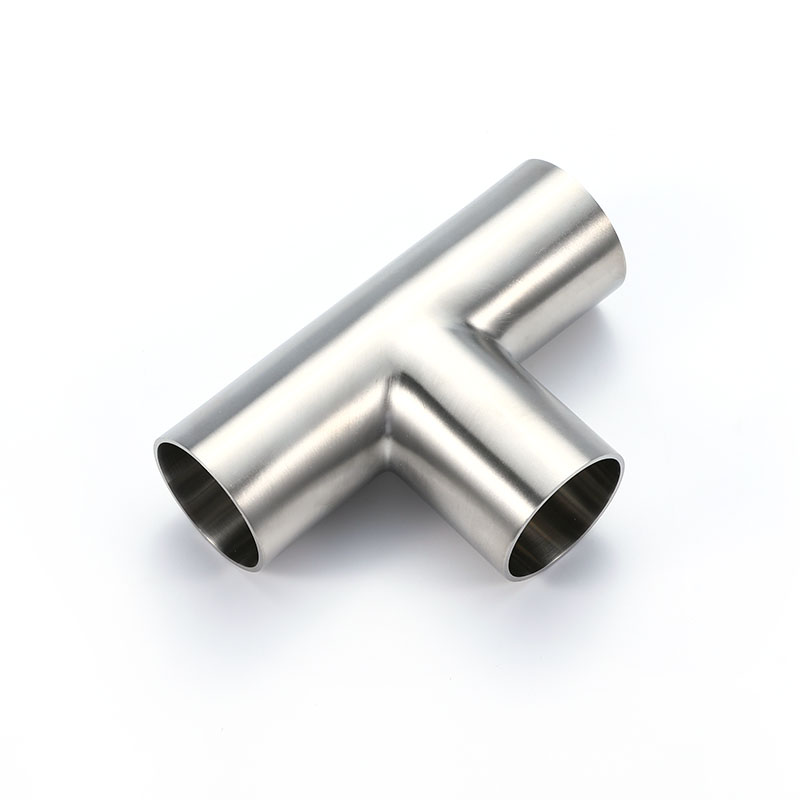
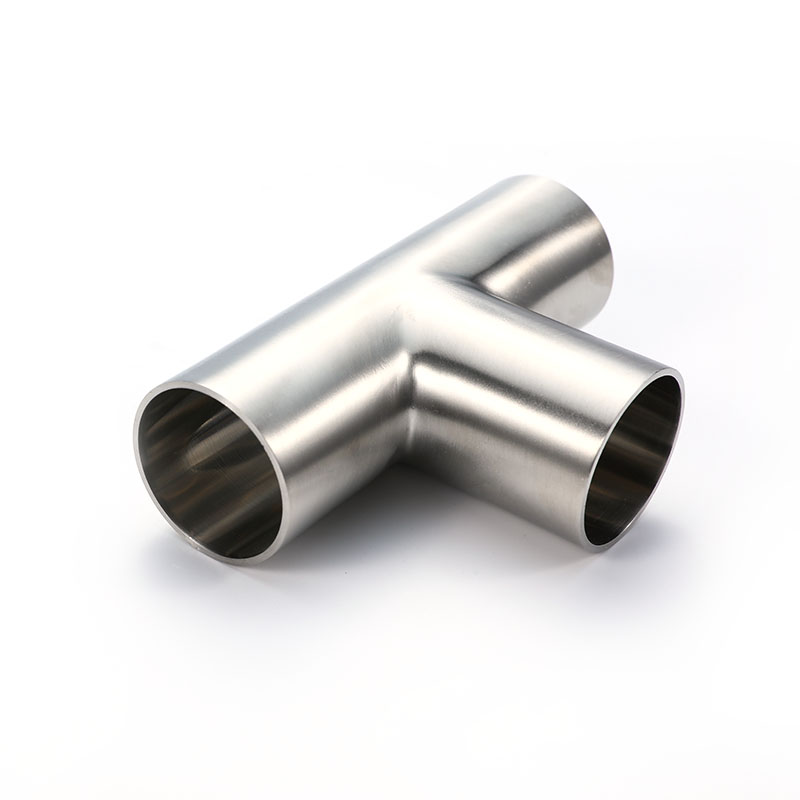
- Sanitary Tees: Allow a pipeline to branch into another direction, supporting different equipment configurations.
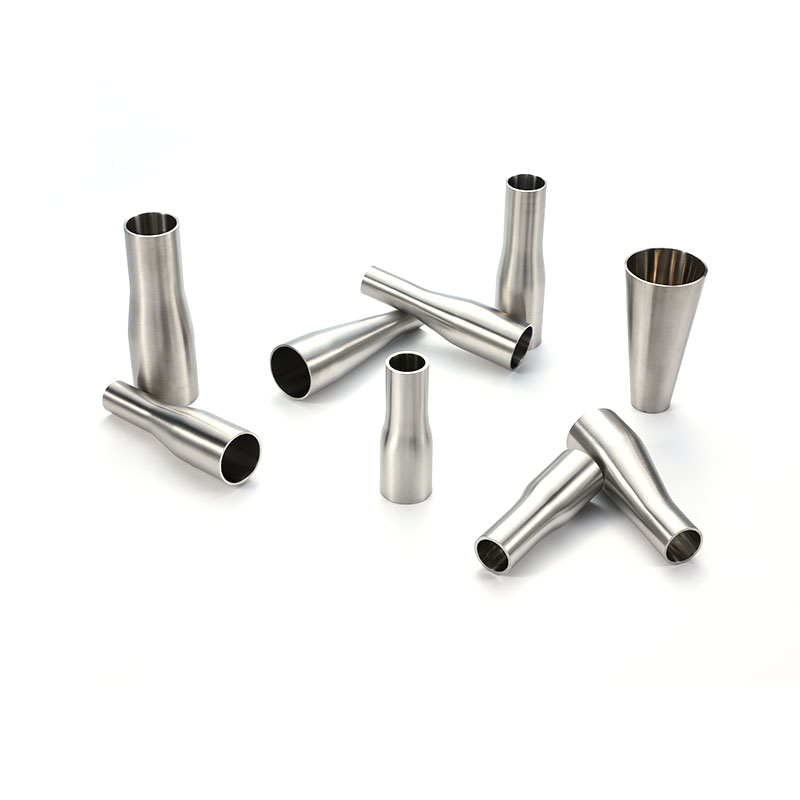
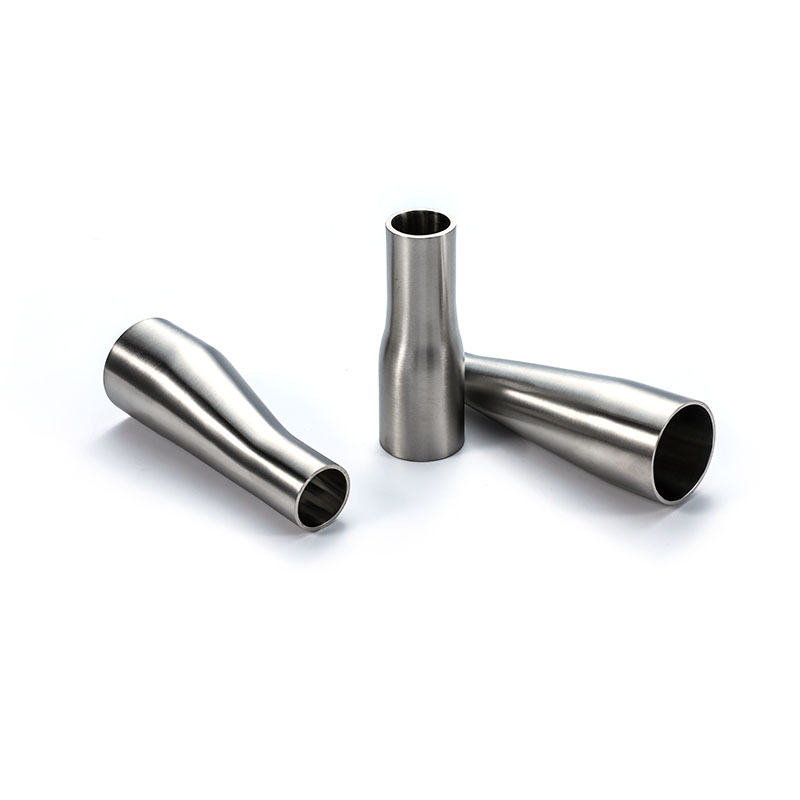
- Sanitary Reducers: Connect pipes with different diameters and help accommodate changes in pipeline size.
- Sanitary Ferrules: Provide connection interfaces for compatible clamp-style sanitary assemblies.
- Sanitary Unions: Allow certain pipeline sections to be connected and disconnected for inspection or maintenance.
The correct combination depends on the pipeline layout, connection standard, installation requirements, and intended application.
How Should Buyers Evaluate Connection Methods?
Connection methods influence installation procedures, maintenance access, and pipeline configuration. Common sanitary connection arrangements include welded, clamped, and threaded designs, although their suitability varies by application and project specification.
Welded connections are often selected for permanent pipeline installations where a continuous joint is required. Clamp connections can provide convenient assembly and disassembly, making them useful in equipment configurations that require regular maintenance access. Threaded connections may be appropriate for specific auxiliary or equipment interfaces when permitted by the system design.
Before ordering, buyers should confirm the connection dimensions, sealing arrangements, installation environment, and applicable DIN requirements. Matching the connection method to the actual application helps reduce compatibility issues during assembly.
Does Pipeline Layout Affect Material and Surface Requirements?
Material selection should reflect the conditions that fittings will encounter throughout operation. Food ingredients, cleaning chemicals, temperature fluctuations, and exposure to corrosive substances can all influence material performance.
304 and 316L stainless steel are widely considered in sanitary processing applications. However, the final choice should be based on the chemical environment, cleaning procedures, and project requirements.
Surface finishing also deserves attention, especially for components that come into contact with processed products. Buyers should specify the required surface condition and roughness where applicable. For welded systems, weld quality and internal finishing should also be considered as part of the overall hygienic design.
How Can Manufacturers Support More Accurate Project Sourcing?
For large processing projects, purchasing multiple fitting types from different suppliers can increase communication and specification management work. A manufacturer with suitable product and customization capabilities may help simplify this process.
During the quotation stage, manufacturers should review technical drawings, fitting dimensions, material grades, connection requirements, and order quantities. This allows potential specification conflicts to be identified before production.
Manufacturing quality also depends on consistent control of forming, machining, welding where applicable, and surface finishing. Inspection of critical dimensions helps ensure that supplied components correspond to the approved technical requirements.
For customized orders, clear drawings and sample references can further improve communication between overseas buyers and production teams.
What Information Should Be Included in a Purchasing Inquiry?
Incomplete specifications are a common reason for quotation delays and misunderstandings. Buyers can make the sourcing process more efficient by preparing a detailed component list before contacting suppliers.
A useful inquiry should include:
- Fitting type and required quantity.
- Applicable DIN standard or dimensional reference.
- Stainless steel material grade.
- Connection type and nominal size.
- Surface finishing requirements.
- Drawings or samples for non-standard components.
- Expected delivery schedule and packaging requirements.
Providing this information helps manufacturers assess production feasibility and prepare quotations that better reflect the actual project requirements.
Build a Better Pipeline with the Right Fitting Selection
A well-planned sanitary pipeline depends on compatible components, appropriate materials, accurate dimensions, and suitable connection arrangements. Selecting fittings according to their actual functions can improve installation coordination and make future maintenance easier.
For processing equipment manufacturers, food and beverage facilities, and international distributors, working with a professional DIN Sanitary Fittings Manufacturer helps establish a clearer sourcing process for standard and customized sanitary components. By reviewing technical requirements before production, buyers can make more informed purchasing decisions and build pipeline systems that meet their intended operational needs.
Featured Bearings