English
 عربى
 русский
Contact Us

Wenzhou Dicheng Fluid Equipment Co., Ltd. specializes in the design, production, and sales of high-precision sanitary pipe fittings, valves, and fluid equipment. Our products are widely used in the dairy, food, beer, beverage, pharmaceutical, cosmetic, and fine chemical industries. We are a leading domestic manufacturer of sanitary fluid equipment.
Author: Dicheng
Date: Nov 20, 2026
When Should You Replace Sanitary Fittings in an Industrial Processing System?
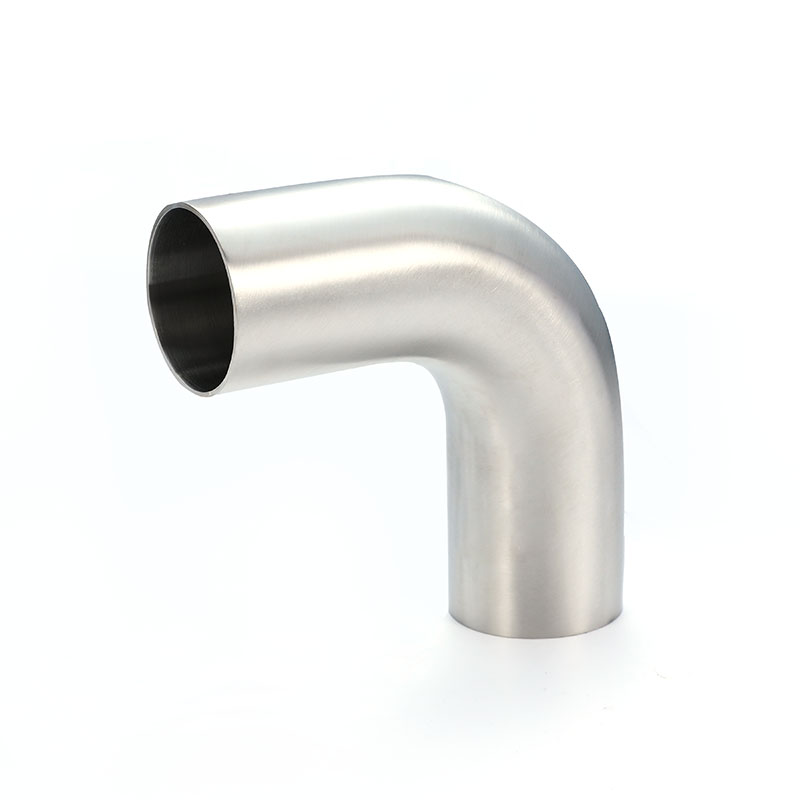
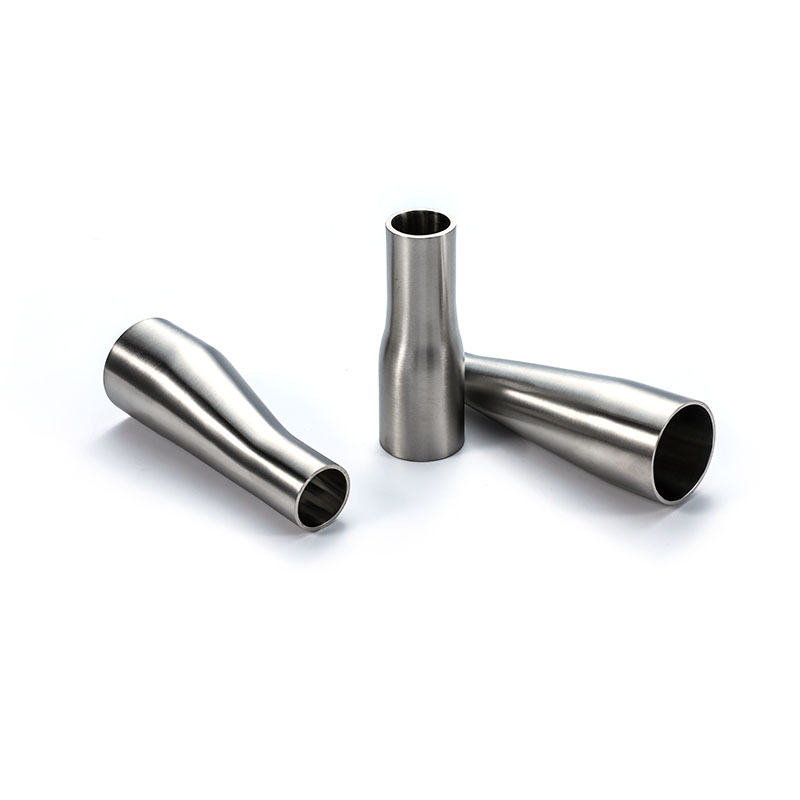
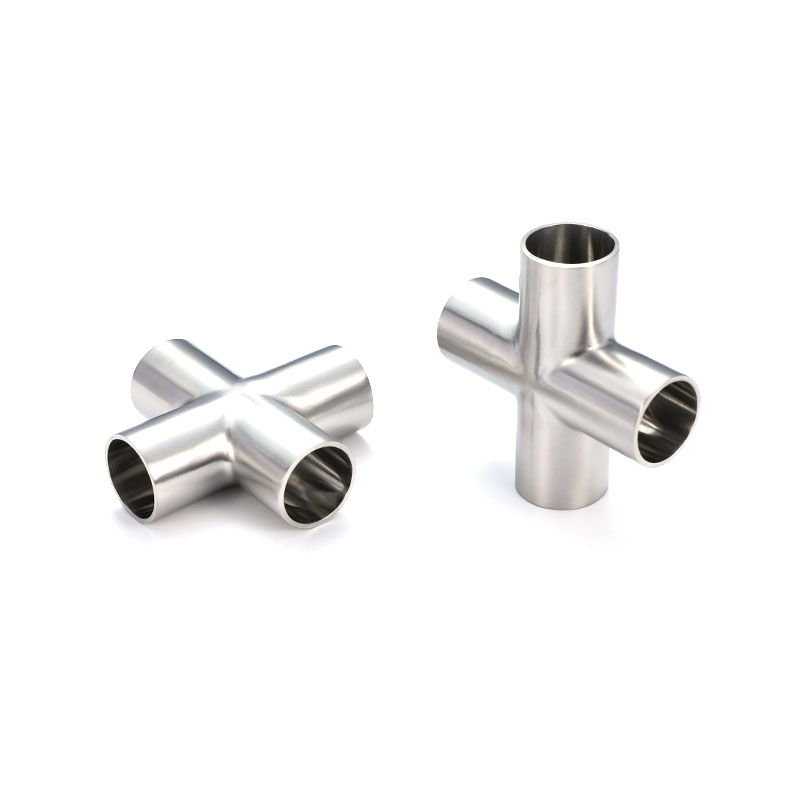
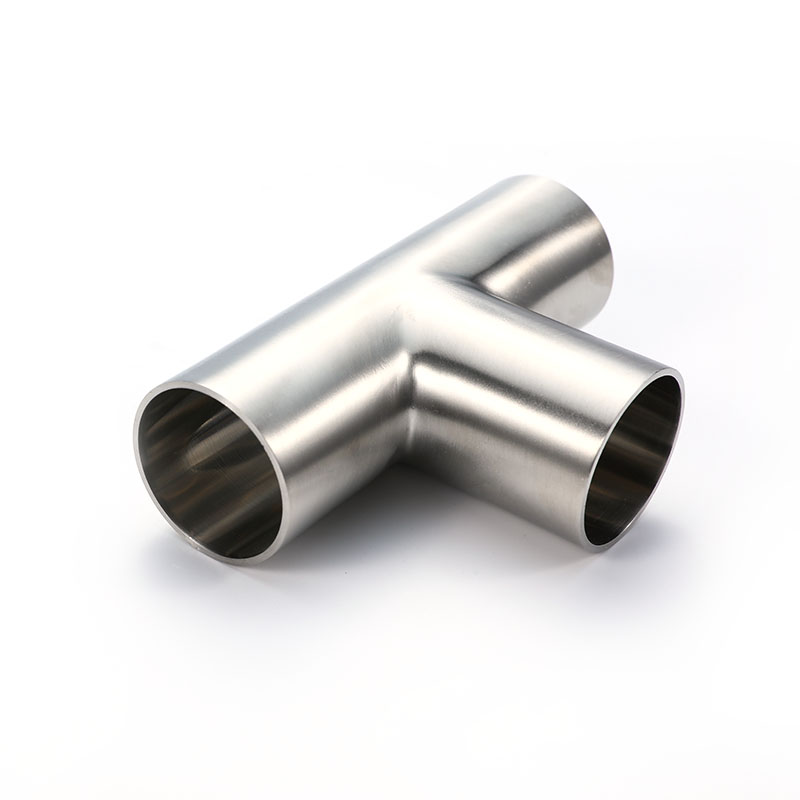
In food, beverage, dairy, and pharmaceutical production, pipeline components are exposed to continuous operation, cleaning procedures, temperature changes, and different process media. Although sanitary fittings are designed for demanding processing environments, they still require regular inspection and timely replacement when wear or damage affects their performance. For equipment manufacturers, plant operators, and industrial distributors, choosing a dependable DIN Sanitary Fittings Manufacturer is an important part of maintaining pipeline reliability. Understanding the warning signs of fitting deterioration can help buyers make better maintenance and purchasing decisions.
Small Connection Problems Can Affect the Entire Production Line
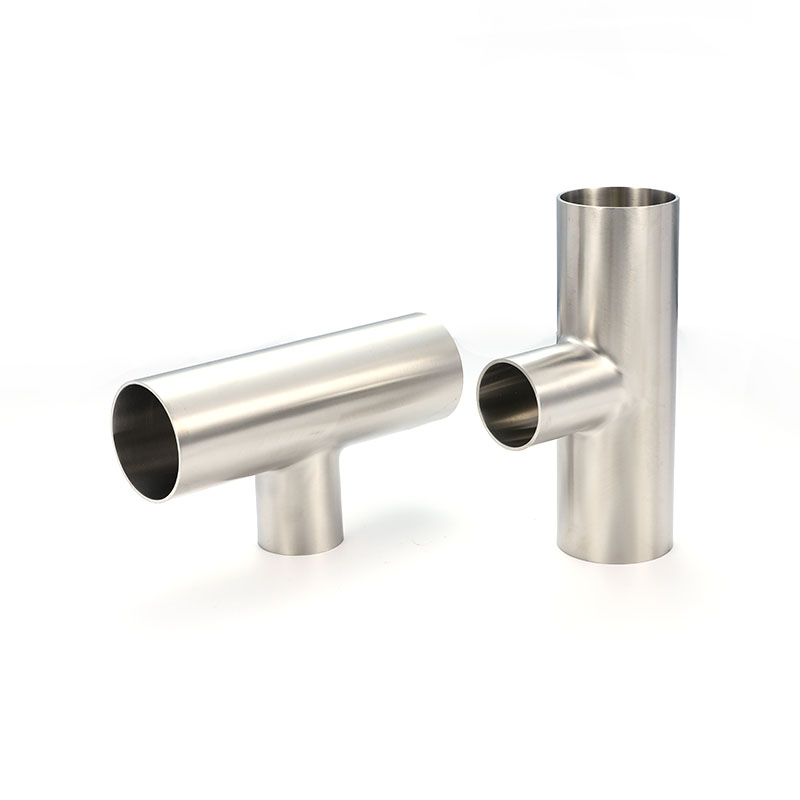
Sanitary fittings connect pipes, valves, pumps, tanks, and other processing equipment. Their performance directly influences pipeline integrity and maintenance requirements.
Over time, repeated assembly, pressure fluctuations, mechanical stress, and exposure to cleaning chemicals may affect connection surfaces or sealing components. A damaged gasket, loose connection, or corroded fitting can result in leakage and unnecessary production interruptions.
Maintenance teams should pay attention to several warning signs:
- Visible corrosion, pitting, or surface damage.
- Deformed connection edges or sealing surfaces.
- Repeated leakage around joints.
- Damaged or hardened gaskets.
- Unusual residue accumulation around connections.
Identifying these problems early makes it easier to arrange suitable replacement components before they create larger maintenance challenges.
Material Resistance Should Match the Processing Environment
Not every stainless steel fitting is suitable for every industrial application. Different production environments expose components to different chemicals, temperatures, and cleaning conditions.
For example, 304 stainless steel is commonly used in general food processing, while 316L stainless steel may be considered for applications requiring improved resistance to certain corrosive environments.
However, material selection should not rely on grade alone. Buyers also need to consider:
- Chemical composition of the processed media.
- Cleaning and disinfection agents.
- Operating and cleaning temperatures.
- Exposure to chloride-containing substances.
- Required material documentation and traceability.
A clear understanding of these conditions helps manufacturers recommend materials that better match the intended application.
How Do Surface Conditions Influence Hygiene Management?
The internal and external surface conditions of sanitary fittings deserve attention during both initial selection and routine inspection. Scratches, corrosion, rough finishing, and damaged weld areas may make cleaning more difficult.
In hygienic processing systems, product-contact surfaces should be designed and finished according to the applicable industry requirements. Smooth, properly processed surfaces help limit areas where product residues may remain.
Buyers should therefore ask suppliers about surface finishing methods, inspection procedures, and whether the supplied components meet the project's specified surface roughness requirements.
It is also important to distinguish between visual appearance and actual surface quality. A polished exterior does not automatically mean that every internal product-contact surface has been finished to the required standard.
Why Should Gasket Compatibility Be Checked Regularly?
Gaskets are essential sealing components in many sanitary connections. Even when the stainless steel fitting remains in good condition, an aging or incompatible gasket may cause leakage.
Repeated exposure to heat, cleaning chemicals, and compression can gradually affect gasket elasticity and sealing performance.
When sourcing replacement fittings and seals, buyers should confirm the following:
- Gasket material compatibility with process media.
- Resistance to the required cleaning temperatures.
- Correct dimensions for the connection.
- Suitability for the intended pressure conditions.
- Compliance with relevant food-contact requirements where applicable.
Replacing a gasket without checking its compatibility may only provide a temporary solution to a recurring problem.
Can Standardized Connections Simplify Equipment Maintenance?
Processing facilities often operate equipment from different production periods or manufacturers. Without careful component management, maintenance teams may encounter several fitting sizes and connection configurations across the same facility.
DIN-standardized sanitary fittings can help provide consistent dimensional references for compatible pipeline systems. This makes it easier to identify replacement components and coordinate equipment connections.
However, buyers should still verify actual dimensions, tolerances, and sealing arrangements rather than assuming that products carrying similar standard descriptions are automatically interchangeable.
For equipment builders and maintenance contractors, keeping accurate fitting specifications and replacement records can also reduce sourcing difficulties during future servicing.
What Should Buyers Expect from a Manufacturing Partner?
A suitable supplier should understand that sanitary fittings are functional components within a complete processing system. Manufacturing quality involves more than producing the required shape.
Important supplier capabilities include:
- Material selection based on application requirements.
- Accurate forming and machining processes.
- Consistent connection dimensions.
- Appropriate surface finishing.
- Inspection of critical dimensions and visible defects.
- Technical communication for drawing-based orders.
For customized projects, reviewing drawings before production can help identify potential installation issues and clarify manufacturing expectations.
Make Replacement Decisions Before Problems Interrupt Production
Sanitary fitting maintenance should be part of a broader equipment management strategy. Regular inspection, suitable material selection, compatible sealing components, and reliable replacement sourcing all contribute to better pipeline management.
For food processing plants, beverage manufacturers, pharmaceutical equipment builders, and industrial distributors, working with an experienced DIN Sanitary Fittings Manufacturer provides a practical way to source components according to required dimensions, materials, and application conditions. A well-planned purchasing process helps reduce avoidable compatibility problems and supports more dependable production operations.
Featured Bearings