English
 عربى
 русский
Contact Us

Wenzhou Dicheng Fluid Equipment Co., Ltd. specializes in the design, production, and sales of high-precision sanitary pipe fittings, valves, and fluid equipment. Our products are widely used in the dairy, food, beer, beverage, pharmaceutical, cosmetic, and fine chemical industries. We are a leading domestic manufacturer of sanitary fluid equipment.
Author: Dicheng
Date: Oct 16, 2026
How Can Better Fitting Selection Reduce Problems in Sanitary Piping Projects?
Sanitary piping systems are used in food processing, beverage production, pharmaceutical manufacturing, and other applications where cleanliness and reliable connections matter. A fitting that appears suitable on a product list may still create installation difficulties if its dimensions, connection type, material, or surface finish do not match the rest of the system. For project buyers and equipment manufacturers, confirming these details before ordering helps reduce compatibility issues, avoid unnecessary replacement work, and keep installation plans on track.
Confirm Dimensions Before Comparing Prices
Dimensional compatibility is one of the first points to verify when sourcing sanitary pipe fittings. Nominal pipe size alone may not provide all the information needed to confirm a connection. Outside diameter, wall thickness, fitting geometry, and the relevant dimensional standard can also affect whether components fit together correctly.
Buyers should provide drawings or a clear specification when requesting quotations, especially for projects involving equipment from different production sources. Manufacturers can then check the requested dimensions against the intended connection system instead of relying on general product descriptions.
This step is particularly important for wholesale orders containing several fitting types. A small discrepancy in one component can complicate assembly across a larger installation.
Match the Connection to the System Design
Sanitary piping systems may use welded ends, clamps, threaded connections, or other configurations depending on the application and design requirements. These connection methods are not automatically interchangeable, even when the fittings serve a similar function.
When evaluating Sanitary Pipe Fittings Wholesale options, procurement teams should confirm the connection type at both ends of each fitting. They should also consider available installation space, maintenance access, and whether the connection needs to be dismantled for cleaning or equipment servicing.
Manufacturers can support this process by providing clear product drawings, connection details, and identification of compatible components. Confirming these points before production helps prevent mismatched parts from reaching the installation site.
Select Materials for the Operating Environment
Material selection should reflect the fluid, temperature, cleaning procedures, and operating conditions of the intended system. Stainless steel is commonly used in sanitary applications, but the appropriate grade depends on the environment and the project specification.
Buyers should not assume that every stainless steel fitting offers the same corrosion resistance or suitability. Material grade, manufacturing condition, and exposure to cleaning chemicals can influence performance. Where material traceability is required, the documentation should match the supplied products.
Manufacturers should verify material requirements before processing begins and maintain suitable identification throughout production. This helps buyers check that the delivered fittings correspond to the approved order.
Consider Surface Finish and Cleanability
In sanitary installations, internal surface condition can influence cleaning effectiveness and the accumulation of product residue. The required finish depends on the application, cleaning method, and relevant design specification.
Procurement teams should clarify whether the project requires a particular internal roughness value, polishing process, or finish acceptance criterion. Simply describing a fitting as polished may not provide enough detail for technical approval.
Manufacturers should establish appropriate finishing and inspection procedures, paying attention to internal surfaces, weld areas where applicable, and transitions between connected sections. Consistent finishing requirements make product evaluation more objective and help avoid disagreements during incoming inspection.
Review Quality Beyond Visual Appearance
A fitting may look acceptable externally while still failing to meet important dimensional or material requirements. For this reason, quality control should cover the characteristics that influence assembly and service performance.
Depending on the product and order specification, inspection may include:
- Dimensional verification against approved drawings
- Material identification and documentation checks
- Inspection of internal and external surface conditions
- Examination of connection geometry and edge finishing
- Verification of markings, quantities, and packaging
The inspection plan should reflect the actual product requirements rather than apply the same checklist indiscriminately to every fitting type.
Plan Wholesale Orders Around Project Requirements
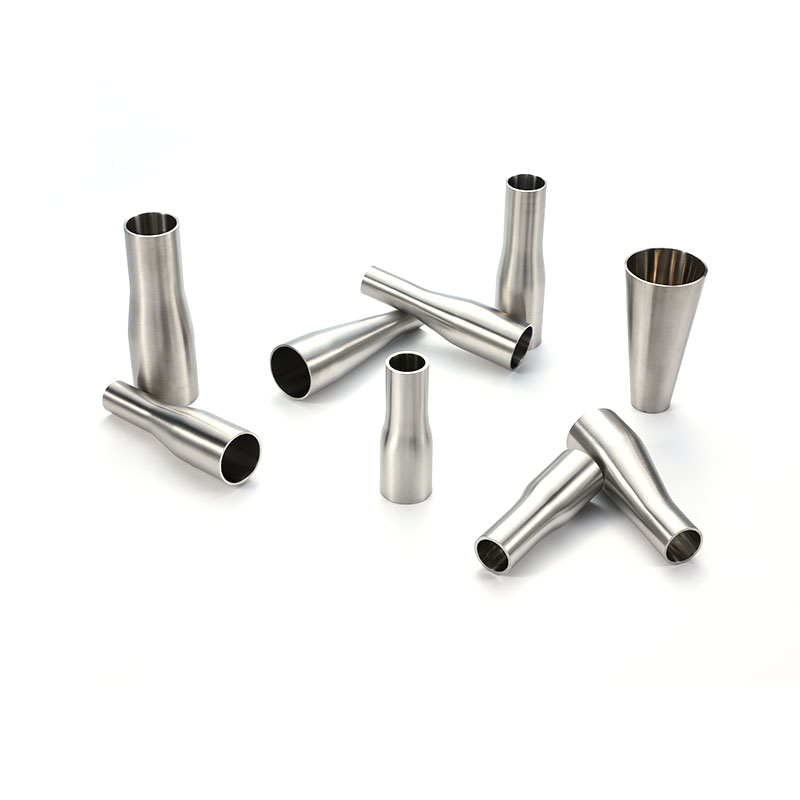
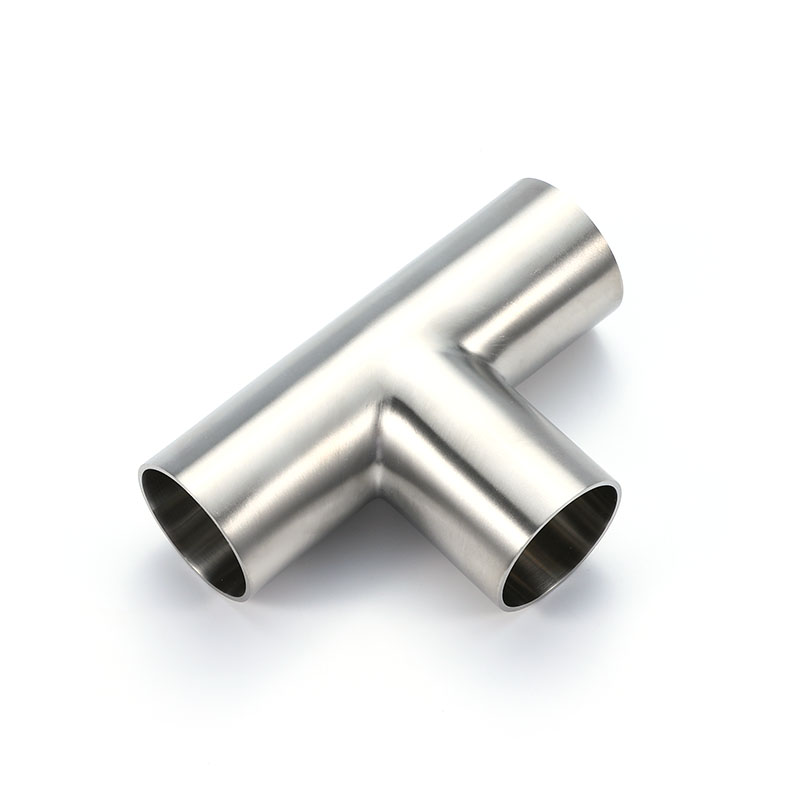
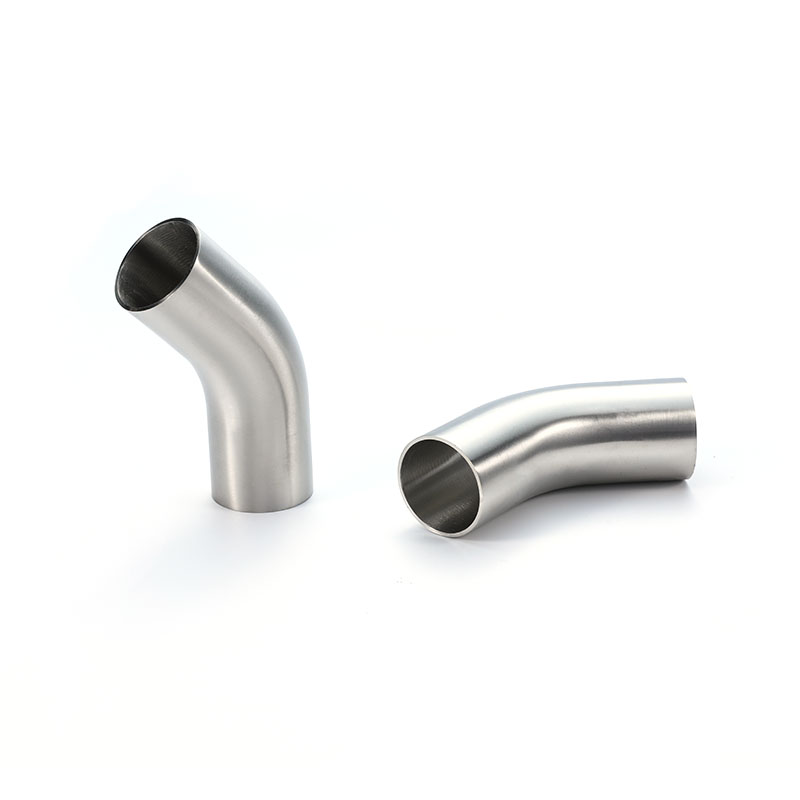
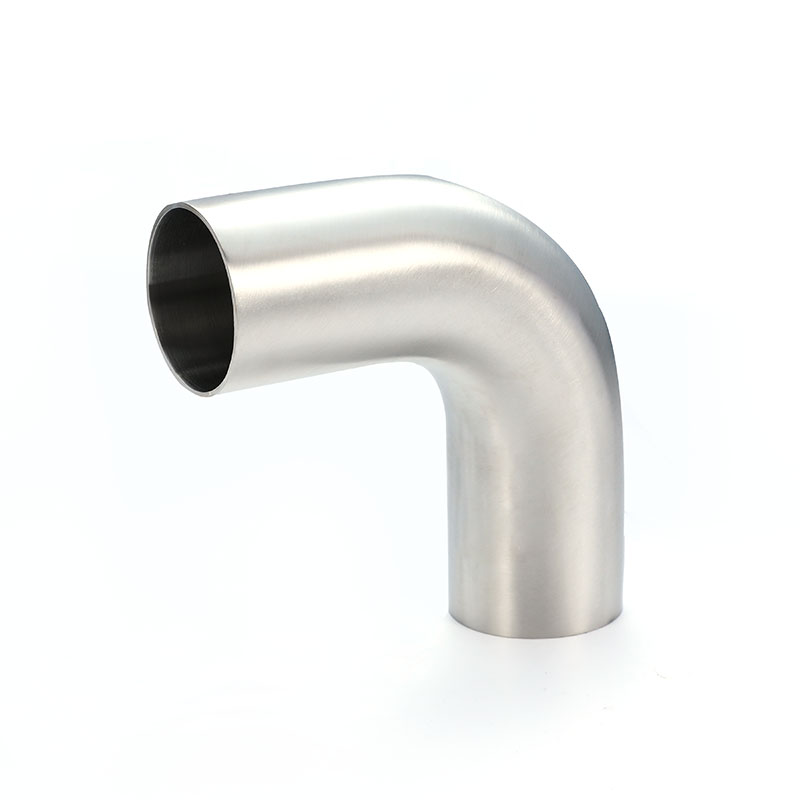
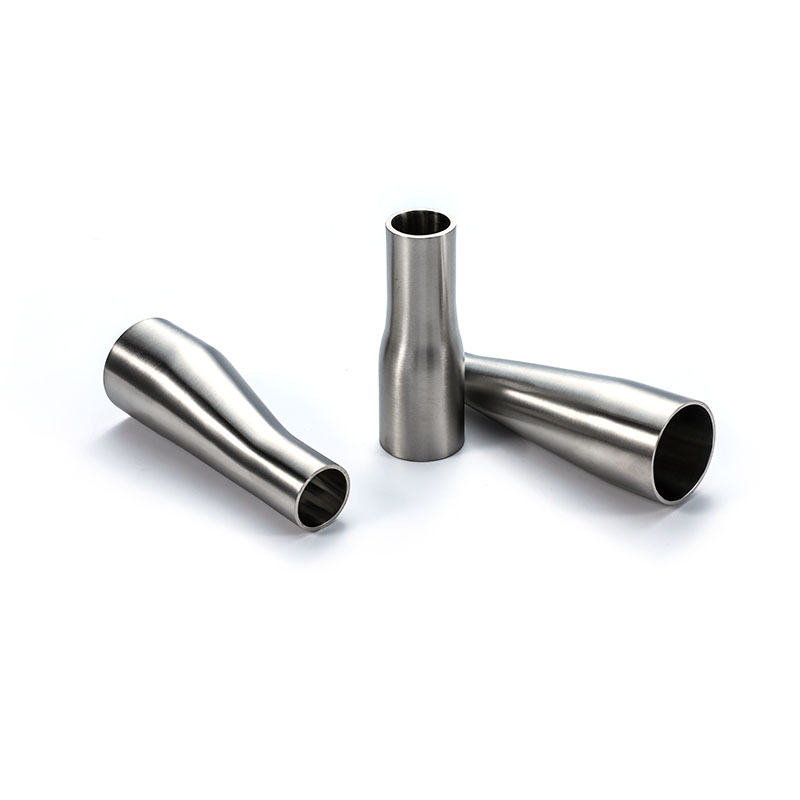
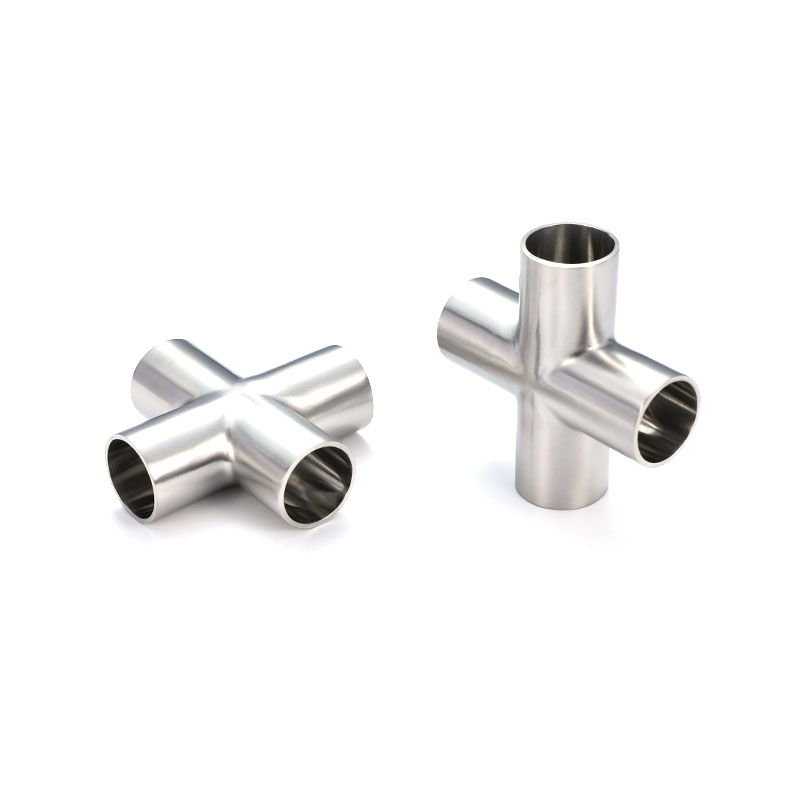
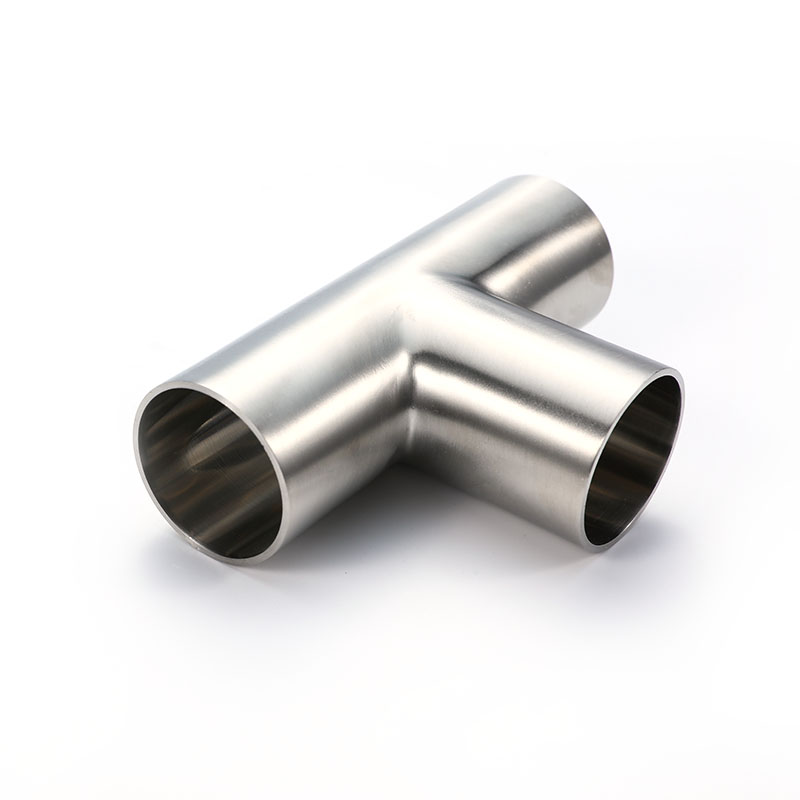
Large purchasing programs often include elbows, tees, reducers, unions, clamps, and other components in different sizes. Ordering these items without a structured schedule can lead to missing parts, excess inventory, or confusion during warehouse receiving.
A practical purchase list should identify each fitting by type, size, connection, material grade, quantity, and any special finishing requirement. Manufacturers can use this information to organize production and packing records more accurately.
For repeat orders, retaining the approved specifications also makes it easier to maintain continuity between shipments. Buyers should communicate any revisions clearly instead of assuming that a previous order will automatically reflect a new project requirement.
Make Compatibility Part of Supplier Evaluation
Reliable sanitary piping procurement begins with technical clarity. Buyers who verify dimensions, connection methods, materials, surface requirements, and inspection criteria before ordering are better positioned to evaluate whether a supplier can meet the project specification. For manufacturers, reviewing these requirements early creates a clearer path from quotation and sample approval to production and delivery, helping customers source fittings that integrate more smoothly into their intended systems.
Featured Bearings