English
 عربى
 русский
Contact Us

Wenzhou Dicheng Fluid Equipment Co., Ltd. specializes in the design, production, and sales of high-precision sanitary pipe fittings, valves, and fluid equipment. Our products are widely used in the dairy, food, beer, beverage, pharmaceutical, cosmetic, and fine chemical industries. We are a leading domestic manufacturer of sanitary fluid equipment.
Author: Dicheng
Date: Nov 13, 2026
What Makes a DIN Sanitary Fitting Supplier Suitable for Your Next Processing Equipment Project?
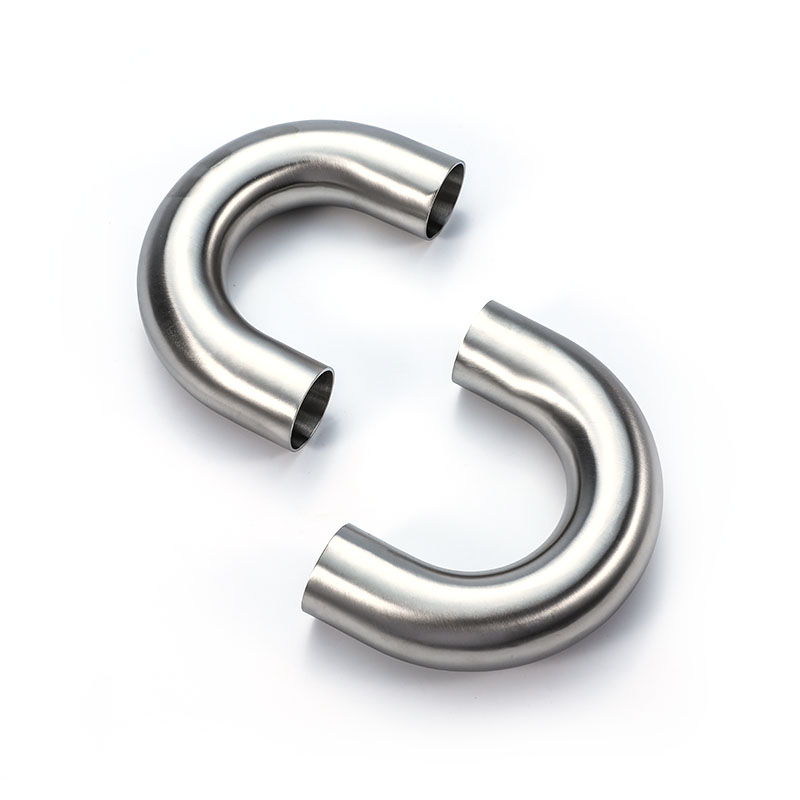
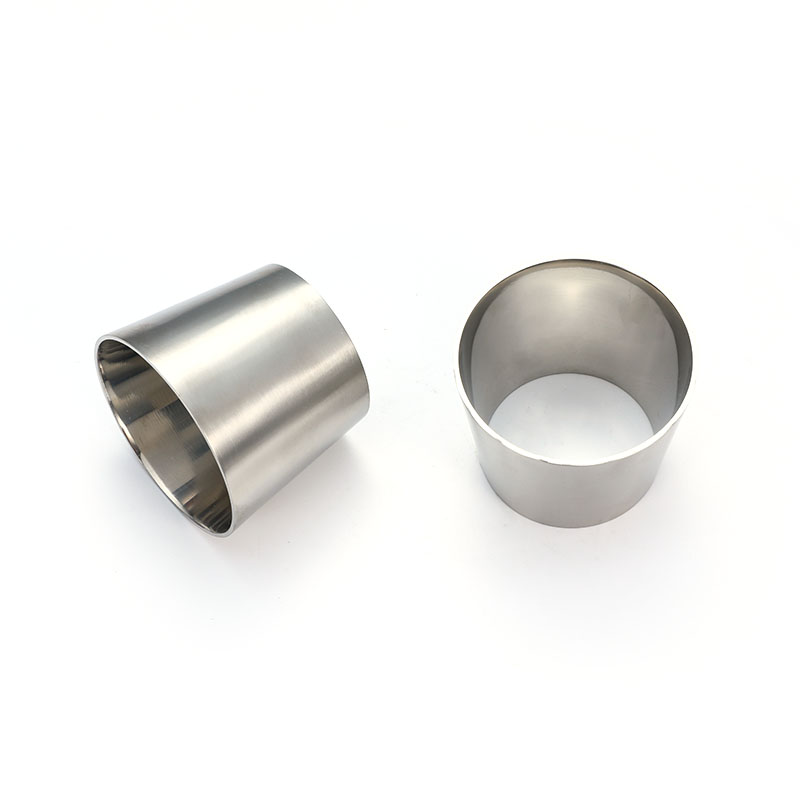
When expanding a food processing line or upgrading existing equipment, buyers often discover that sourcing sanitary pipe fittings involves more than matching basic dimensions. Different equipment configurations, installation spaces, and connection requirements can make component selection complicated. For international equipment manufacturers and industrial distributors, working with a capable DIN Sanitary Fittings Manufacturer can help simplify sourcing while maintaining compatibility across different pipeline systems. The key is understanding which manufacturing and product factors deserve attention before confirming an order.
Equipment Upgrades Are Changing Fitting Requirements
Food and beverage manufacturers are investing in equipment improvements to support changing production needs, improve operational efficiency, and manage maintenance costs. During these projects, existing pipelines may need additional branches, replacement connections, or modifications to accommodate new processing equipment.
This creates demand for sanitary fittings that match existing system specifications rather than products selected solely by standard catalogue dimensions.
For buyers, it is important to identify whether the project requires standard components or customized fittings. Confirming these requirements early can reduce installation adjustments and help keep equipment projects on schedule.
Why Do Standard Dimensions Still Require Careful Verification?
DIN standards provide a common technical reference for sanitary fitting dimensions and connections. However, buyers should not assume that every product described as DIN-compatible will fit their existing equipment without further checking.
Differences in dimensional tolerances, connection profiles, and gasket arrangements may affect assembly.
Before sourcing, procurement and engineering teams should review:
- Nominal size and actual connection dimensions.
- Pipe diameter and wall thickness.
- Fitting geometry and installation direction.
- Required sealing structure and gasket specifications.
- Compatibility with existing valves, pumps, and pipeline components.
Accurate technical documentation helps manufacturers identify potential mismatches before production begins.
When Should Buyers Consider Customized Sanitary Fittings?
Standard fittings are suitable for many common pipeline configurations, but certain equipment projects require specific dimensions or structural designs. Compact machinery, replacement projects, and specialized processing systems may have installation limitations that standard components cannot fully address.
Customized manufacturing can help solve these challenges. Depending on production capabilities, buyers may request adjustments to fitting dimensions, connection structures, material grades, or other drawing-based requirements.
When requesting a custom quotation, it is useful to provide:
- Technical drawings with dimensional details.
- Required stainless steel grade.
- Connection and sealing specifications.
- Expected operating conditions.
- Quantity and delivery expectations.
This information allows the manufacturer to evaluate feasibility and communicate production requirements more accurately.
How Does Material Consistency Affect Equipment Reliability?
Sanitary fittings are exposed to different process media, cleaning chemicals, temperature changes, and operating conditions. Material selection therefore influences corrosion resistance, service life, and maintenance requirements.
304 and 316L stainless steel are commonly considered for sanitary processing applications, but their suitability depends on the actual environment. For example, applications involving certain chloride-containing substances may require closer evaluation of corrosion resistance.
Buyers should also consider whether the supplier can maintain consistent material specifications across repeat orders. Material documentation, incoming inspection, and traceability procedures can provide additional confidence when sourcing components for larger equipment projects.
What Manufacturing Details Separate a Suitable Supplier?
A sanitary fitting may look simple, but its production involves several important quality considerations. Dimensional accuracy, forming quality, machining precision, welding condition, and surface finishing can all influence the final product.
For equipment manufacturers and distributors, supplier evaluation should go beyond checking product photographs or quotation prices.
A capable production partner should be able to explain its manufacturing and inspection processes, review technical drawings, and identify specification issues before mass production. Consistent inspection of critical dimensions and connection surfaces also helps reduce variations between batches.
These capabilities are particularly relevant when purchasing multiple fitting types for the same processing project.
Can Better Procurement Planning Reduce Replacement Costs?
Unexpected component shortages and dimensional mismatches can delay equipment assembly or maintenance work. For overseas buyers, these problems may become more difficult to manage because replacement orders involve additional transportation time and communication.
A more structured purchasing process can help prevent avoidable issues.
Procurement teams should consider consolidating related fitting requirements, confirming specifications before ordering, and discussing repeat-order arrangements with suppliers. Maintaining clear product records also makes future replacement sourcing easier.
For distributors, selecting products with consistent specifications can simplify inventory management and reduce confusion between similar fitting models.
Build a More Reliable Sourcing Process with the Right Manufacturer
Selecting sanitary fittings is an important part of maintaining compatibility throughout a processing system. Buyers should evaluate product dimensions, material suitability, manufacturing precision, customization capabilities, and supplier communication before making purchasing decisions.
As a manufacturing partner, we focus on understanding customer drawings and application requirements before production. Whether the demand involves standard DIN sanitary fittings or project-specific components, working with an experienced DIN Sanitary Fittings Manufacturer can help equipment builders, processing facilities, and distributors establish a more consistent and practical sourcing process.
Featured Bearings